Six months ago I could not have told you the difference between a phone case blank and a coaster. I got into this because a friend runs a small electronics shop, and he had a dead corner near the register that the landlord kept asking about. A phone case printing vending machine filled it. If you are starting from the same blank slate, here is the path I wish somebody had handed me, in the order it actually matters.
Start with the machine, not the marketing
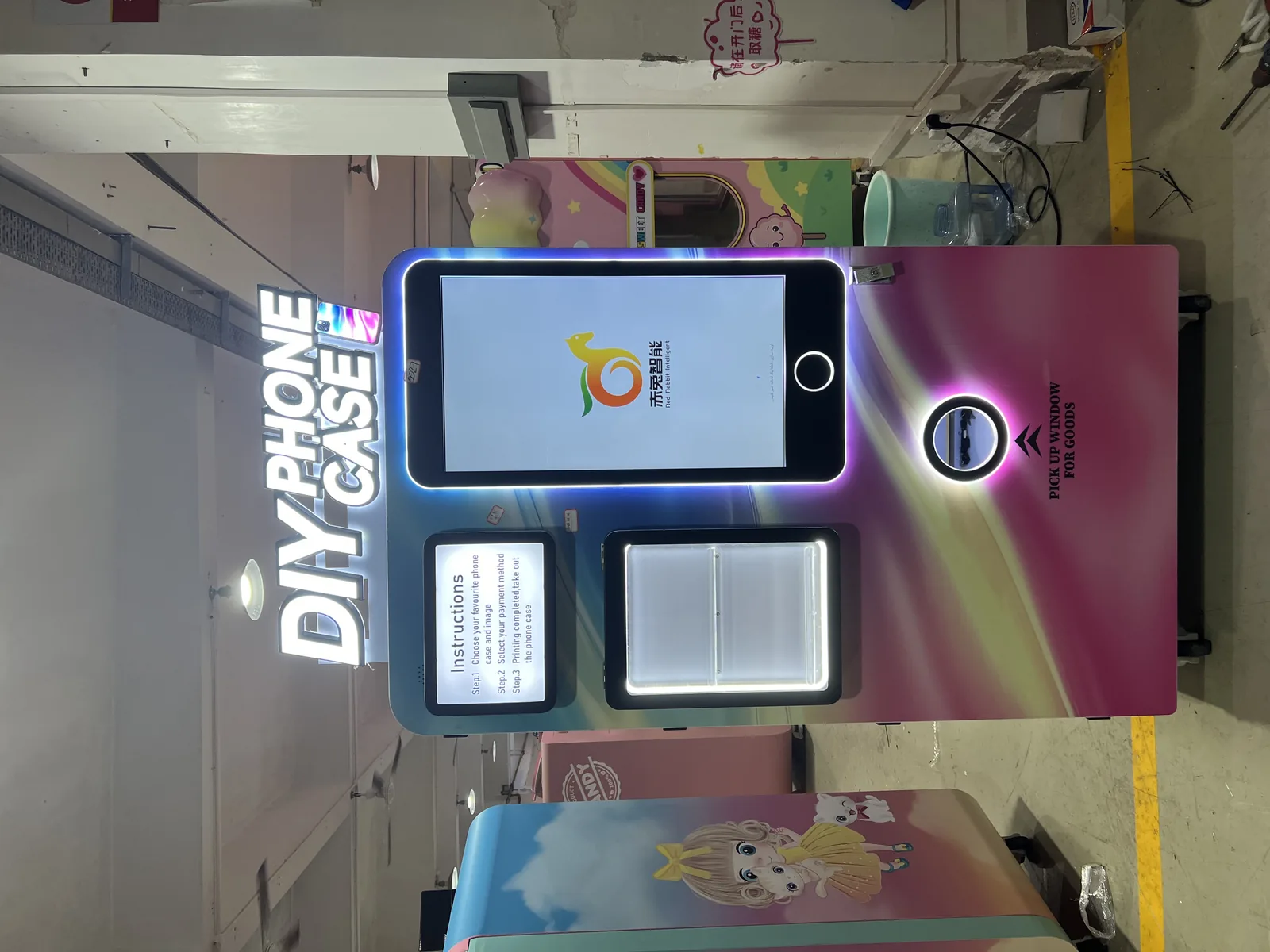
Every first timer wants to jump to social media and a logo. Slow down. The machine is the business, so understand exactly what it does before you spend a dollar on promotion. A phone case printing vending machine is a self-service kiosk. The customer picks a photo from their phone, uploads it, maybe adds a filter or a border, and the machine prints it directly onto a phone case in a few minutes. No staff, no manual assembly, no cash register.
What matters when you choose one is not the spec sheet. It is whether the machine reliably prints onto the case blanks for the phone models people actually carry, whether it takes card and mobile payments without a separate terminal, and whether the supplier can walk you through the first setup. Ask about print quality on the edges, not just the center. Ask what happens when a print fails halfway. A machine is only as good as the answer to those two questions.
Choose a location where people already hold their phones
This is the step most beginners get wrong, and it decides everything that comes after. The best location is a place where people are already standing with a phone in their hand. Malls, electronics markets, mobile accessory stores, college campuses, airports, train stations, and busy tourist strips all qualify. The moment a person glances down at their phone screen, you are one sign away from a sale.
Avoid the temptation to save money on a cheaper spot with less traffic. A phone case machine does not survive on foot traffic the way a food machine might. It needs people who have a reason to stop, and a phone in their pocket is the reason. The friend whose corner I filled had steady but modest traffic, and it worked because almost everyone in the shop already owned a phone and a photo they liked.
Sort out permits and payment before you order anything
Nothing stalls a launch like finding out after the machine arrives that you need a permit you did not budget time for. Call your city or county office and ask what a self-service retail kiosk requires. The answer varies by location and by whether the machine sits inside a leased shop or in a shared public area, but it is always faster to ask first.
Payment is the other thing to lock down early. The machine should accept contactless cards and mobile wallets, because cash is fading fast in automated retail. Make sure the card reader and the settlement account are tested before the machine goes live. A kiosk that cannot take a payment is a very expensive paperweight, and this is one of the most common first week failures.
Stock the blanks that actually sell
The machine prints on blank cases, and those blanks are your inventory. The mistake is stocking them evenly across every model. You want the models people in your area actually carry. Watch what phones you see at the location for a few days before you order, or ask the supplier which models move fastest in your region. Stocking deep on the two or three best selling models beats stocking thin across a dozen.
Keep a small buffer of the top models so you never run dry mid-afternoon, and keep the rest lean. Blanks are inexpensive to reorder, but they do tie up a little cash, and a stack of cases for a phone nobody carries is dead weight on a shelf. The goal is to never say no to a customer because the right blank is out of stock.
Price it and set the menu
Now you can think about money. A phone case blank costs well under a dollar in materials, and the machine sells the finished custom case for far more than that, which is exactly where the margin lives. Set your price based on what the location will bear, not on a fixed markup. A case in a premium mall can price higher than one in a campus convenience store. Look at what nearby accessory shops charge for a plain case and position your custom one above it, since yours is one of a kind.
Keep the menu short. A base custom case, a couple of frame or filter options, and maybe a twin pack for gifts is plenty. Every extra option adds decision time at the screen, and a confused customer walks away. Short menus convert, and they make restocking simpler too.
Soft launch and watch the first week
Do not make a big deal out of opening day. Put the machine out, run a test print in front of whoever is around, and watch. The first week is research, not revenue. Stand nearby and observe where people hesitate. Do they find the upload step confusing? Does the screen glare in afternoon light? Is the machine too close to the door, or too hidden in the corner?
Track the basics by hand at first. How many people stop, how many start a print, how many finish and pay. The gap between stop and pay is where the money is hiding. If people stop but do not start, the screen or the signage is the problem. If they start but do not pay, the payment step or the price is the problem. Fix one thing, then watch another week.
The mistakes that sink first timers
Three mistakes come up over and over. The first is picking a cheap, low traffic spot to save rent, then wondering why nothing sells. The second is skipping the permit and payment setup until after the machine is already sitting there. The third is stocking one of every phone model instead of going deep on the few that dominate the area. All three are avoidable, and all three come from treating the machine as a gadget instead of a small retail business.
Get the location right, the payment working, and the blanks matched to the phones in the room, and the machine does the rest. It prints while you sleep, it does not need a schedule, and it turns a customer’s own photo into the thing they buy. That is a rare kind of product, one where the customer supplies the emotional hook for you.
To compare machines and start a conversation, look at our phone case printing vending machine page. If you are weighing it against another automated line for the same space, our jigsaw puzzle vending machine is worth a look as a second keepsake option. Questions before you commit belong on the contact page. For the fundamentals of structuring a small business, the Small Business Administration guide and the IRS small business resources both help you avoid costly early mistakes.
Related machines from Red Rabbit