I hear the same sentence from almost everyone who has never run a vending route. Ice cream machines are easy money, you just park one and collect. That sentence is the reason a lot of first year operators quit in month seven. The machine itself is not the hard part. The hard part is everything people assume the machine does for them, and does not. Let me walk through the six wrong ideas that cost operators the most, and what actually happens instead.
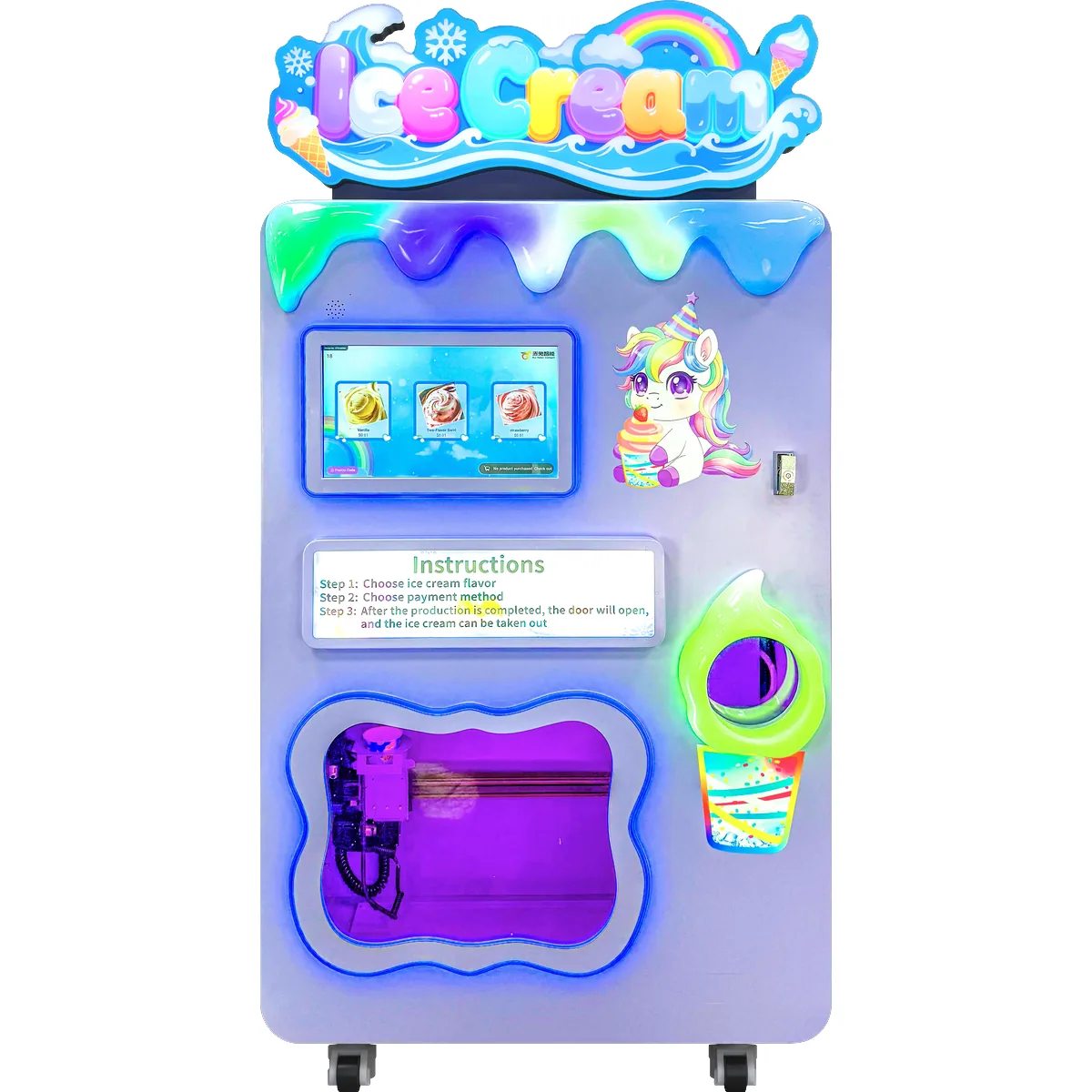
Myth one: it is passive income
This is the big one. A freezer machine does not stock itself, does not clean its own nozzle, and does not know when a box of cones is about to run out. Someone has to visit the machine, usually every day or two in peak season, to refill, wipe down the dispensing area, check temperatures, and empty the coin and card settlement. Food safety is not optional here. The FDA Food Code sets clear expectations for keeping frozen dessert surfaces and mix at safe temperatures, and a health inspector will hold you to them. Passive is the wrong word. The right word is low labor, not no labor. One person can run several machines, but that person still has a real weekly route.
Myth two: ice cream is summer only
Yes, a machine by an outdoor pool earns most of its year between May and September. That does not mean the machine turns into a paperweight in January. Indoor locations barely feel the season. A machine inside a mall, a bowling alley, or a cinema lobby keeps a steady baseline all year, because the customer is already warm and already in the mood. Operators in cold climates also learn to lean on the venue’s heating rather than the weather. When a machine does have to move with the season, the fix is to plan for it from day one. Choose a location that works in winter, or budget to relocate the machine when the pool closes. The season is a fact, not a death sentence.
Myth three: the freezer will break down all the time
This fear usually comes from one bad story someone heard from a friend of a friend. Modern ice cream machines are built around a compressor and a sealed cooling circuit, and a well maintained unit can run for years without a major failure. What actually causes most breakdowns is neglect. A dirty condenser coil makes the compressor run hot and shortens its life. A blocked air vent does the same. A door left slightly open at night makes the unit work all night and trip a fault. The maintenance routine is short and boring. Clean the coil, check the seals, log the temperature, and it prevents the dramatic failures people worry about. If you treat the machine like a refrigerator you own, it behaves like one. If you ignore it, no machine will save you.
Myth four: you can only sell ice cream
The machine dispenses ice cream, but the counter around it can do more. Operators add topping bars, waffle cones, bottled drinks in a side cooler, or a second frozen option beside the main unit. Some pair a soft serve machine with a shaved ice or slush machine so one spot covers both a cold treat and a cold drink. That pairing spreads the risk and lifts the average sale, because a family of four rarely orders just one thing. The point is that you are not buying a single product. You are buying a cold treat corner, and you decide how wide that corner is. The machine is the anchor, not the ceiling.
Myth five: customers will not buy food from a machine
This one falls apart the moment you watch a customer use one. Cashless payment has quietly changed what people will buy from a machine. Tap a card, grab a cone, walk away. There is no awkward fumbling for change, no employee to wave down, no line. Younger buyers grew up buying drinks, snacks, and even hot meals from machines, so a soft serve cone is not a leap for them, it is normal. The machine also has a show factor. Watching a swirl of ice cream form in front of you is part of the appeal, especially for kids. Operators who place the machine where people are already waiting, near a cinema or a play area, tell me the same thing. The customers are not skeptical. The skeptics are the people who have not placed one yet.
Myth six: you need staff to run it
A soft serve machine is designed to be unattended. The customer orders, pays, and the machine does the rest. There is no counter staff, no shift schedule, no one to call in sick. What you need is not staff, it is discipline. A short daily or every other day route to refill and clean, a temperature log, and a phone number on the machine for the rare issue. Most operators run this alongside a job or other machines, because the time per stop is a few minutes, not a shift. The machines that fail are the ones left alone for a week at a time. A machine you visit briefly but reliably will outperform a staffed stand with bad hours almost every time.
What to actually expect
Strip the myths away and the picture gets clear. You are buying a low labor, food safe, weather aware business that rewards routine more than it rewards cleverness. The operators who do well are the ones who show up, clean the coil, refill on time, and pick a spot where people are already warm and waiting. The operators who quit are the ones who believed the passive income line. If you want the formal business side, the Small Business Administration guide walks through licensing and planning in plain language. The machine will do its part. It will not do yours. If you go in with that understanding, an ice cream machine is one of the most forgiving first machines in the industry.
Ready to see what a commercial ice cream vending machine actually involves day to day? Red Rabbit builds and ships these machines from Guangzhou to more than 130 countries. See the ice cream machine range here.
One operator put it to me plainly. The machine does not make the money, the routine does. He was not being modest. He was describing exactly why his machine was still running in year five while the guy down the street packed his up. Believe the routine, not the myth.
Related machines from Red Rabbit
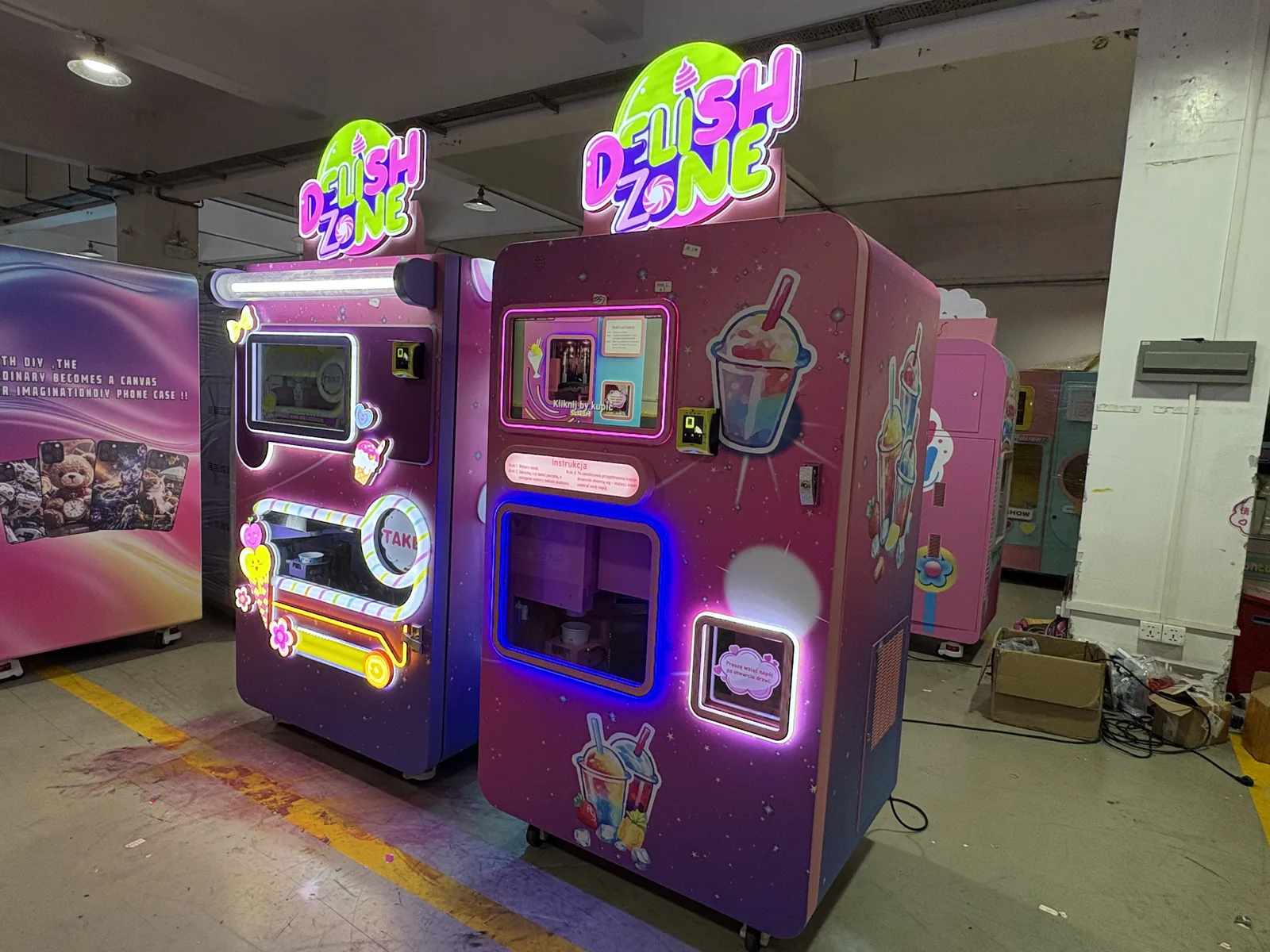
Red Rabbit vending machine | Red Rabbit vending machine | Red Rabbit vending machine | contact Red Rabbit