Priya bought one ice cream vending machine and placed it in a commuter plaza beside a regional train station. The foot traffic was everything the sales brochure promised. The first six weeks of revenue were not. She nearly wrote the whole thing off as a bad location before she looked harder at her own data.
This is the story of what she found, the three changes she made, and what the numbers looked like ninety days later. It is not a success fairy tale. There were weeks in the middle where she was ready to sell the machine. But the case is useful precisely because the turnaround came from boring, measurable fixes, not luck.
The Setup and the First Numbers
Priya placed the machine near the platform exit, facing the flow of evening commuters. She stocked it with a standard mix of cups and cones, a couple of chocolate and vanilla options, and a price that matched the other kiosks in the plaza. The machine itself was a compact single-tank unit, which made sense for a first purchase. She checked it every morning on her way to her day job and restocked it every two days.
By the end of week six she sat down with a spreadsheet and the numbers were flat. The machine sold around eighteen cups on a good day and six or seven on a slow one. She was covering her ingredients and the rent, and nothing more. The location looked busy, but the machine was not converting that crowd.
What the Data Actually Showed
The first thing the data killed was her assumption about peak hours. She had placed the machine facing the evening flow, but the machine’s sales log showed most purchases landed between 7 and 9 in the morning. Morning commuters wanted something quick before the train. Her evening-facing position meant the machine had its back to the morning crowd.
The second finding was about choice. Sales clustered on vanilla and chocolate. The mango and matcha flavours she had stocked to look interesting sat in the machine and sold slowly. She was carrying inventory that did not earn its keep.
The third was the payment gap. The card readers on the machine were slow to connect in the morning rush, and a noticeable share of sessions were abandoned at the payment screen. In a crowd that runs on a schedule, a twenty-second delay is a lost sale.
Three Changes She Made
She did not move the machine. She repositioned it instead, turning the front panel toward the morning platform exit and away from the evening street. The afternoon and evening sales did not disappear, but the morning window finally had a clear line of sight to the machine.
She cut the menu. Vanilla, chocolate, and one rotating seasonal flavour. That smaller menu meant less waste, faster restocking, and a cleaner cabinet that looked full instead of half-stocked.
She fixed the payment flow with the card processor, and she added a simple grab-and-go bundle near the pickup area. The bundle was a cup and a small pastry from the kiosk next door, sold as one tap. It was aimed squarely at the morning commuter who wanted one thing, fast.
Food safety was not an afterthought in any of this. She tightened the temperature log so the mix held in the safe zone through the morning rush, following the cold-holding guidance in the FDA Food Code. A clean, cold machine is a machine the local health inspector passes without comment.
The Ninety-Day Numbers
Ninety days after that first spreadsheet, the machine was selling a little over forty cups on a weekday and close to sixty on a Friday. The average ticket nudged up once the bundle landed, because the bundle turned a single-cup sale into a small breakfast. Ingredient waste dropped by more than half once the slow flavours came off the menu. She stopped treating the machine as a side project and started treating it like a storefront.
Here is the number that mattered most to her. The machine was now paying for its own rent, ingredients, and card fees with room left over, and it did it on weekdays alone. Weekends became the bonus rather than the whole business. She had not added a second location. She had simply made the one she owned actually work.
A Typical Morning, After the Fixes
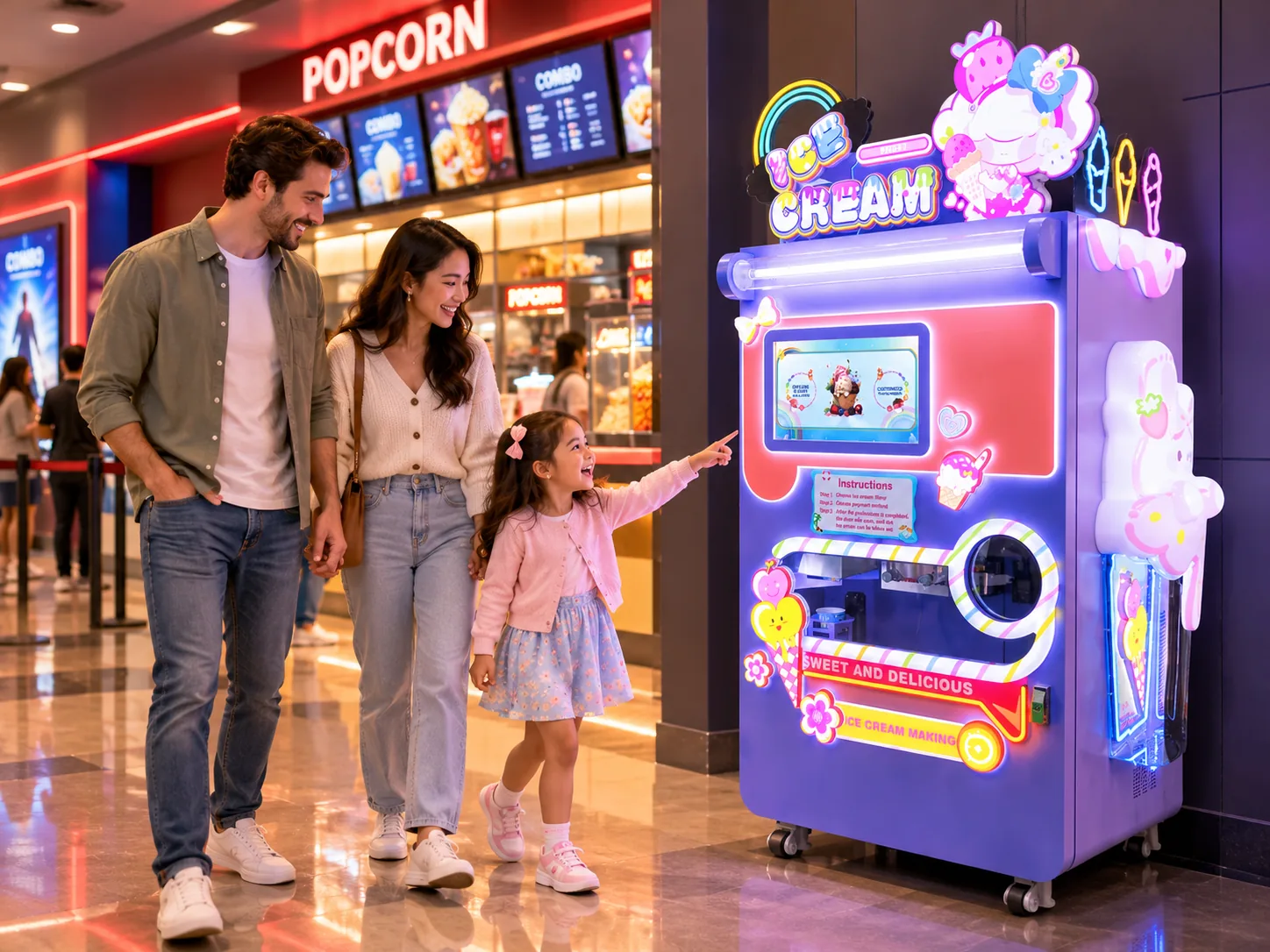
It helps to see what the machine looks like now, because the changes sound small on paper. Priya tops up the mix and the cups before 6:30, wipes the pickup tray, and checks the temperature readout on the way out. The morning rush runs from 7 to 9, and the machine fills most of its daily orders in that window. Around noon she gets a smaller lunch bump. By the evening the machine coasts on the occasional after-work buyer. The rhythm is predictable enough that she can restock once a day instead of every two, and she has stopped watching the machine like a nervous parent. The whole operation now runs on about forty minutes of her attention each day, which is the part that surprised her most. She expected a vending machine to need watching. It needed measuring, and then it mostly ran itself.
What She Would Do Differently
She told me the biggest mistake was trusting the foot traffic instead of her own sales log for the first month. Traffic tells you where people walk. The log tells you when they buy, what they buy, and where they give up. She also said she would have started with the smaller menu from day one, and she would have asked the machine supplier about a dual-tank model sooner. A second tank would have let her run two flavours at full quality without the slow movers, which is exactly the machine she is looking at for a second location now.
Traffic tells you where people walk. The sales log tells you when they buy. Trust the log.
If you are thinking about your first ice cream vending machine, the lesson from Priya’s case is simple. Most failing locations are not failing locations. They are unmeasured locations. Watch the log before you blame the street, cut the menu before you cut the price, and get the payment flow fast before you do anything else. The team at Red Rabbit can talk you through single and dual tank options and what fits a commuter spot versus a leisure venue. The machine Priya started with is still running in that plaza today. The difference is that now she knows, from the numbers, why it works.
Related machines from Red Rabbit
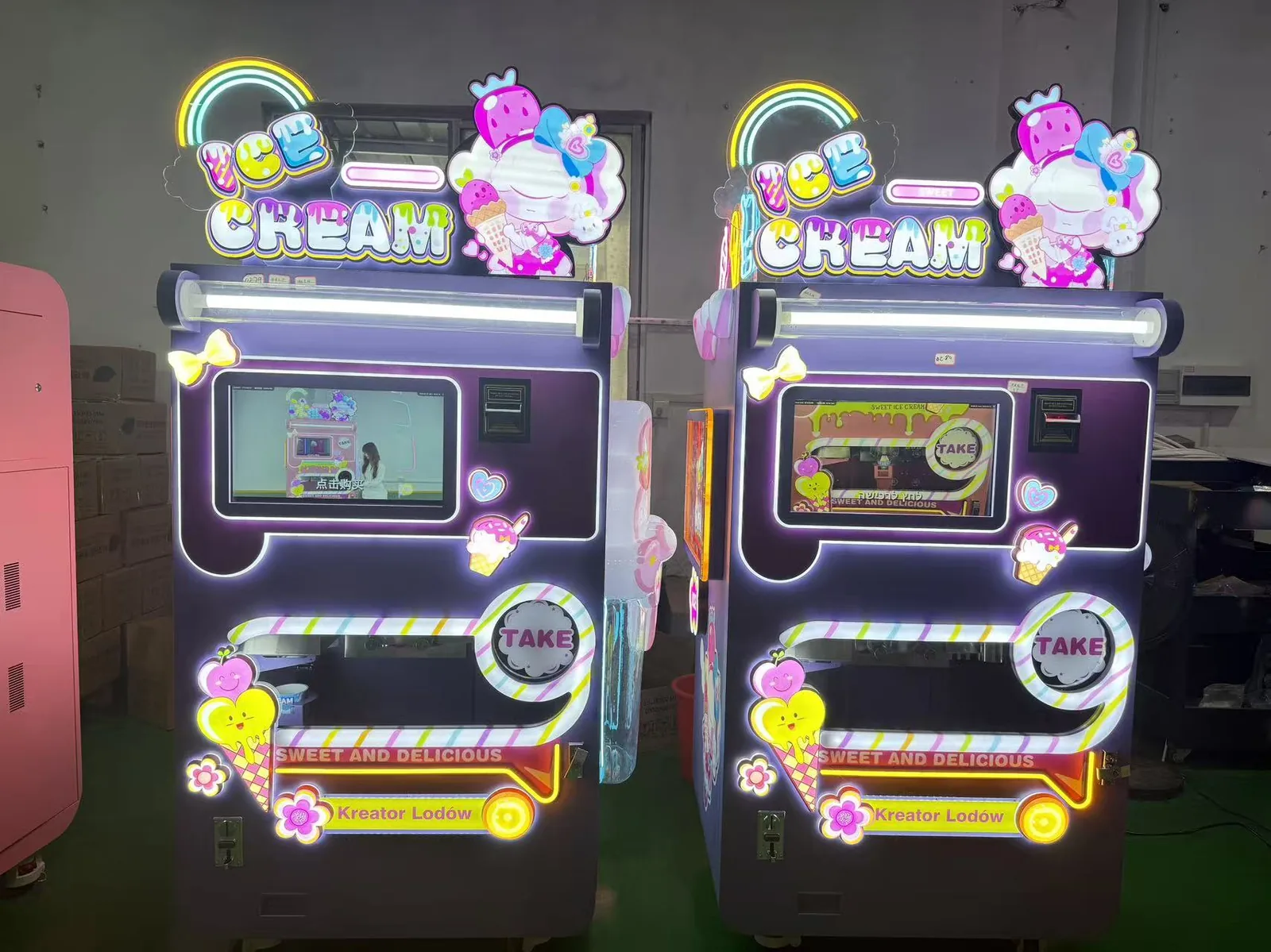
Red Rabbit vending machine | Red Rabbit vending machine | Red Rabbit vending machine