Marcus runs eleven machines across two hospital campuses outside Atlanta, and last spring he almost lost a renewal he assumed was locked in. The facilities director did not open with revenue share. He pulled up a spreadsheet and asked why Marcus’s older drink coolers still ran on R134a. The hospital’s annual sustainability report needed a defensible number for energy use, and the vending fleet sat inside that number. A competitor had walked in with coolers running variable-speed compressors and propane refrigerant, plus a telemetry feed the director could drop straight into the report. Marcus kept the site, but only after a month and real money spent replacing three coolers.
That is the shift moving through automated retail this year, and it is easy to miss if you only watch sales figures. The fight for good locations is quietly moving from “who pays the highest revenue share” to “whose machine is cheapest to run and cleanest on the books.” Energy efficiency and refrigerant compliance stopped being a nice-to-have. They are becoming the new cost battle, and the operators who read the signs now will win locations without a bidding war later.
The regulatory clock is what forces the change
Nothing moves a market faster than a deadline with a fine attached, and automated retail now has several of them lined up. In the United States the AIM Act already stopped the manufacture and import of machines using refrigerants with a global warming potential of 150 or higher, and the sales ban on those units took effect this year. Europe has pushed the same direction with its F-gas rules and energy labeling standards. Japan’s Top Runner program keeps raising the efficiency floor so older compressors retire early. An operator is no longer choosing between “green” and “normal.” They are choosing between a machine they can legally place and one that a landlord or an inspector will make them pull.
California shows how hard this bites. Operators caught running phased-out refrigerants faced five-figure fines per violation in early 2025. That is a bill that wipes out months of profit on a single cold-drink machine. Compliance is no longer a back-office checkbox. It is part of the purchase decision the day you buy the hardware.
The energy math changed the location pitch
The second force is quieter but hits your bank account every month. A standard cold vending machine burns roughly three to four kilowatt-hours a day, about the same as a household refrigerator that never turns off. Across a route of ten or fifteen machines that is a real utility line, and in 2026 the people who write those checks are noticing. Energy Star rated machines run about forty percent more efficient and can save close to a thousand kilowatt-hours a year per unit. Multiply that across a fleet and it becomes a number worth putting in a proposal.
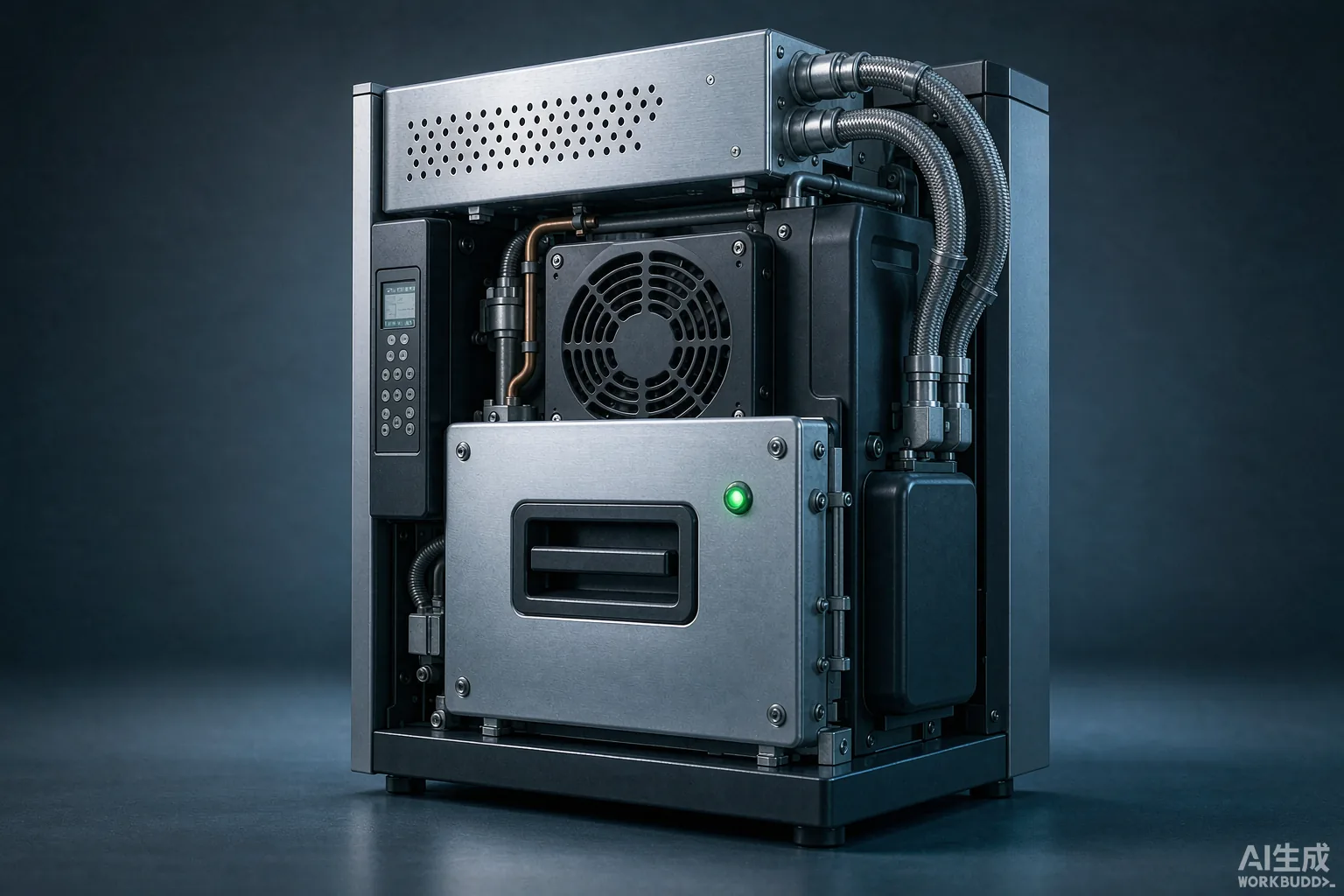
The savings come from a stack of changes, not one miracle part. Variable-speed compressors ease off when the cabinet is already cold instead of running flat out. Vacuum insulation panels hold temperature with thinner walls, and some suppliers report energy use dropping by as much as forty-five percent in continuous operation. LED lighting throws off a fraction of the heat of the old tubes. None of this shows up in a photo of the machine. All of it shows up in the electric bill, and in the heat the machine dumps into the room, which means the building’s own air conditioning works a little less hard too.
That last point matters more than operators expect. In an office or a hospital the machine sits inside the landlord’s energy budget, not yours. When the facilities team is trying to hit an ESG target, a cooler that quietly fights their HVAC system becomes a problem they can measure. A cooler that sips power and reports its own consumption becomes an asset they want on site. The machine turned from food dispenser into part of the building’s green strategy, and that changes who signs the contract and why.
The transition gap is where the risk and the opportunity sit
There is a wide gap between the rules and reality. A survey at the end of last year found only about eleven percent of Western Europe’s installed base had finished switching to natural refrigerants like R290 propane. Many operators are holding old equipment and hoping the deadline softens, and a lot of them will be wrong. The machines that will win space over the next two years are the ones that clear the bar now, while the compliant supply is still thin. Being early here is cheaper than being late, because late means buying whatever is left when the rush hits.
The objection I hear most is that efficient machines cost more up front and take too long to pay back through the electric bill alone. That is a fair point if you count only energy. But the real payback is the location you keep and the one you win because a landlord’s compliance report improved. That return does not show up on a utility invoice. It shows up when the renewal comes back signed.
ESG turned the landlord into a buyer of efficiency
Corporate and institutional landlords now have to publish sustainability numbers under rules that keep expanding, and the vending fleet is one of the few places where an easy, defensible improvement lives. When a facilities director can swap an old cooler for one that runs on a natural refrigerant, cuts its energy draw, and feeds a live consumption feed into the annual report, that is a win they can take credit for without a construction project. Operators who show up with those numbers already prepared are not selling snacks anymore. They are selling a line item on someone else’s compliance report.
There is a discipline angle here too. Efficient machines with telemetry fail less often and tell you before they fail. A compressor trending toward the end of its life sends a warning instead of a Monday-morning call about melted stock. Lower energy, fewer service calls, and longer equipment life all point the same direction, which is lower total cost per placement even before you count the environmental claim.
What operators should actually do with this
Start by asking a blunt question before your next purchase: what refrigerant does this machine use, and what does it draw. If the answer is R134a or an older HFC blend, walk away no matter how good the price looks. The discount buys you a machine you may not be allowed to place in a few seasons. Ask for a telemetry feed you can hand to a landlord, because that one-page energy report is becoming the differentiator that wins the contract.
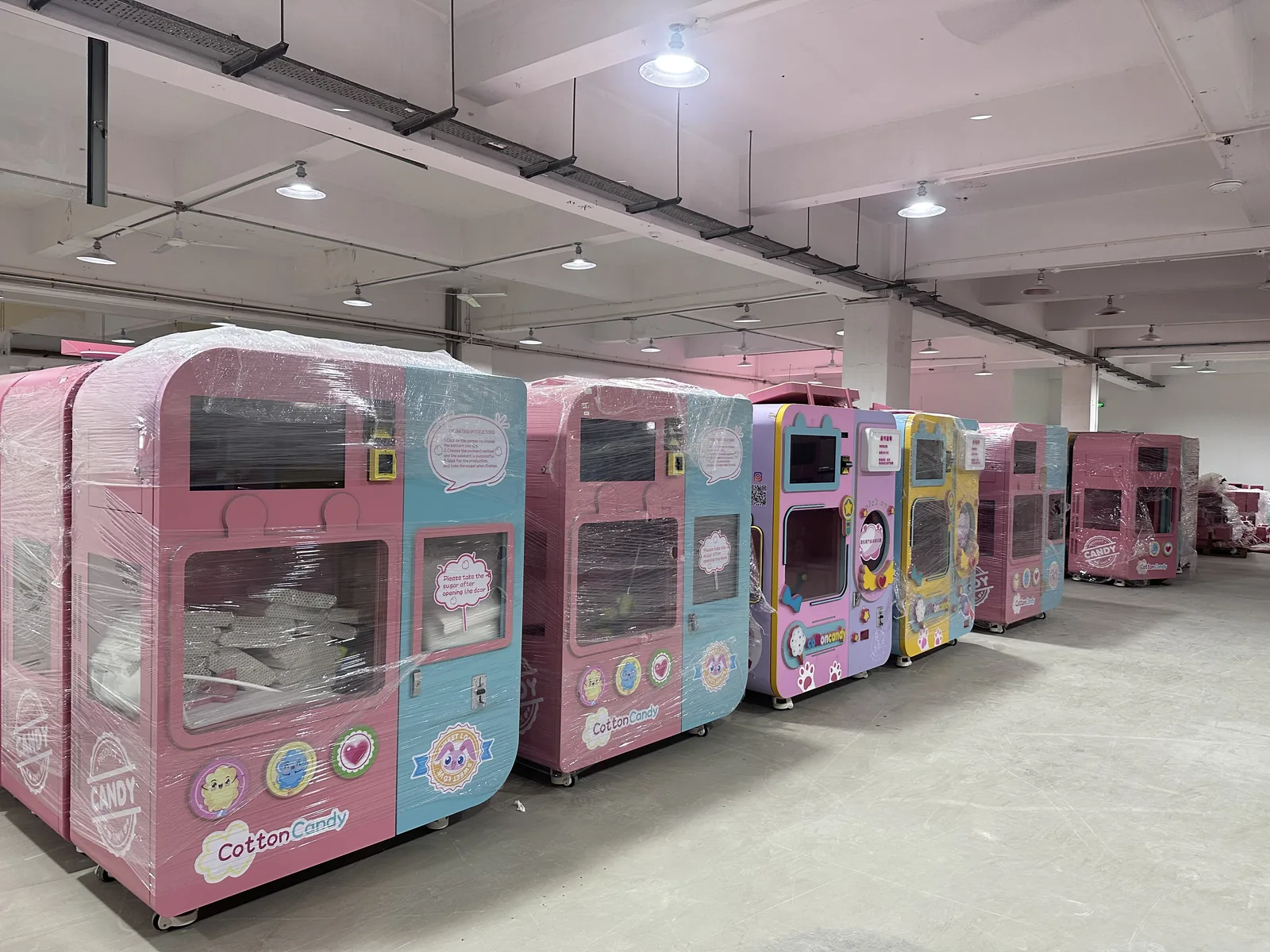
Then think about where the energy load actually sits in your route. A machine that makes something on demand, a cotton candy machine or a slush dispenser, does not run a large refrigeration cabinet around the clock the way a drink cooler does. These made-to-order machines earn on the experience side of the business and carry a lighter energy footprint in a building that is watching its own numbers. That is a real advantage to name in a proposal, not a footnote.
For the wider picture of where the industry is heading, the National Automatic Merchandising Association keeps current guidance for operators at vending.org, and the Small Business Administration has a plain-language business guide at sba.gov that covers the basics of operating cost and location planning. Both are worth a read before you commit capital.
Energy efficiency and refrigerant compliance are not the most exciting topic in automated retail. They are also the topic most likely to decide whether you keep the location you already have. The machines that win space in 2026 will not be the ones with the most colorful wraps. They will be the ones a facilities director can defend to a sustainability committee, and that is a bar a lot of operators have not started clearing yet. If you are ready to make your route one of the compliant ones, start a conversation on the Red Rabbit contact page.
Related machines from Red Rabbit
Red Rabbit vending machine | Red Rabbit vending machine | Red Rabbit vending machine