For a long time the vending conversation came down to one question: how many machines can you place. In 2026 that question finally feels old. The industry still runs more than 20 million machines around the world, and the global market now sits near $79 billion. But the operators growing fastest are not the ones adding the most units. They are the ones changing how each unit gets paid.
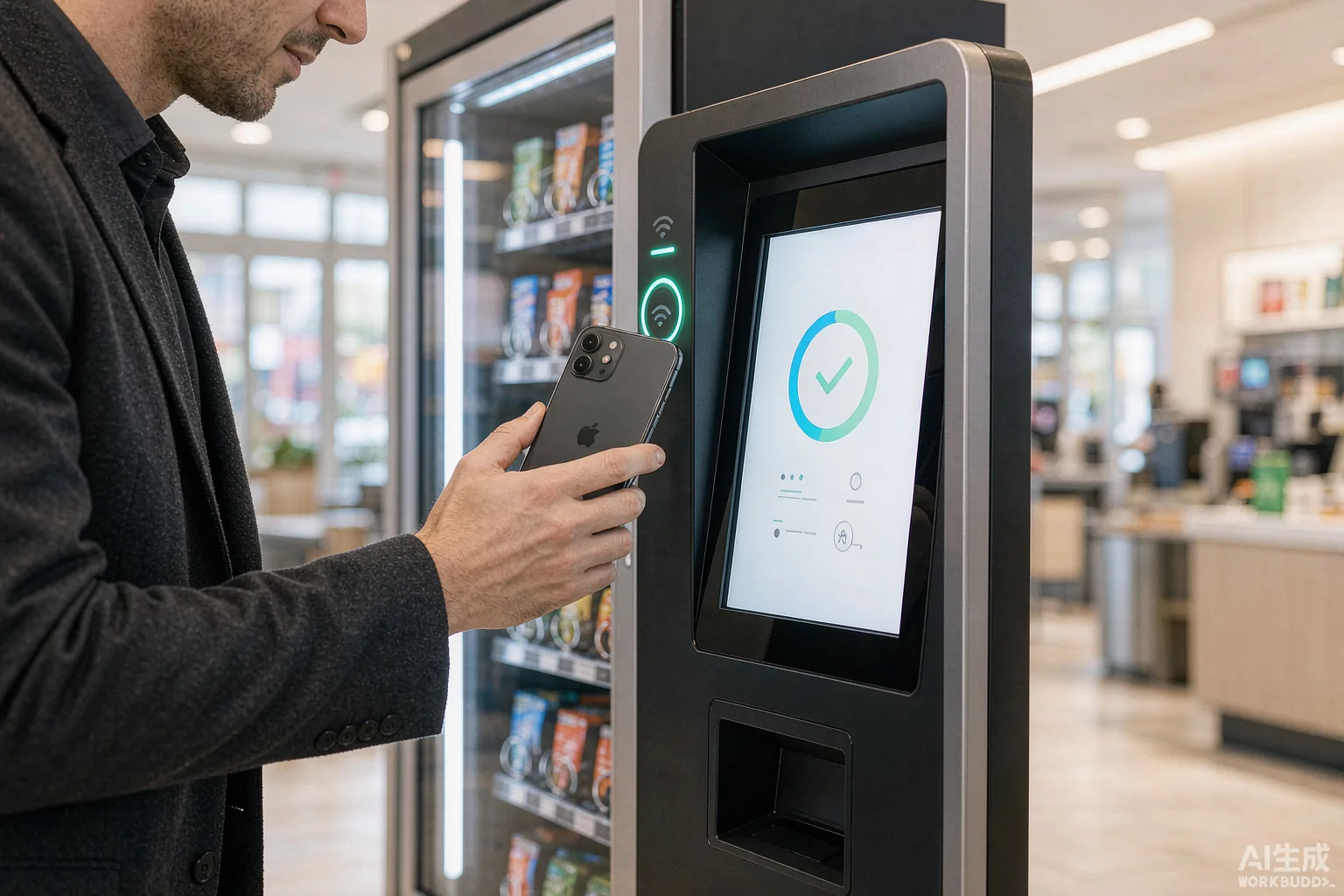
One 2026 payment report covering more than half a million connected machines put a sharp number on the shift. The average cashless transaction runs about six dollars. The average cash transaction sits under a dollar. That gap, more than six times, is the quiet engine behind nearly every profitable route I have looked at this year. The real story of 2026 is not that card and phone payments exist. It is that they have become the margin itself.
The payment gap is the real headline
Cash is not disappearing, but it is shrinking fast. In that 2026 data set, roughly four out of every five transactions now happen without coins or bills. Operators still running cash-only machines are not just giving up convenience. They are giving up ticket size, because a customer paying with a card or a phone tends to spend more per visit than someone digging for change.
The reason the gap is so wide matters, because it changes what you stock and how you price. A cash customer is limited by the bills and coins in their pocket. A card customer is limited by nothing except interest. When a machine accepts contactless, the barrier drops, and a customer who came for one item suddenly adds a second. That is why smart operators now treat the card reader the way a restaurant treats its menu. It is a revenue lever, not a bolt-on feature.
If you are still running machines that only take cash, the 2026 data makes the case plain. You are competing with one hand tied behind your back. Upgrading a reader is one of the cheapest changes you can make relative to what it returns, and it is the first thing I tell anyone who asks where to start. Payment adoption across the industry has been tracked for years by the National Automatic Merchandising Association, and the direction has pointed one way for a long time.
Growth has moved to new formats
The 2026 numbers also show where the growth is actually happening. Traditional snack and drink vending is still the foundation of the industry, and it keeps growing at a steady, single-digit pace. But the faster-moving segments are the ones that either raise the ticket or sell an experience. Micro markets, those open shelves with a self-checkout kiosk, are growing their volume by double digits. Amusement and gaming machines are climbing even faster, riding the same cashless tailwind.
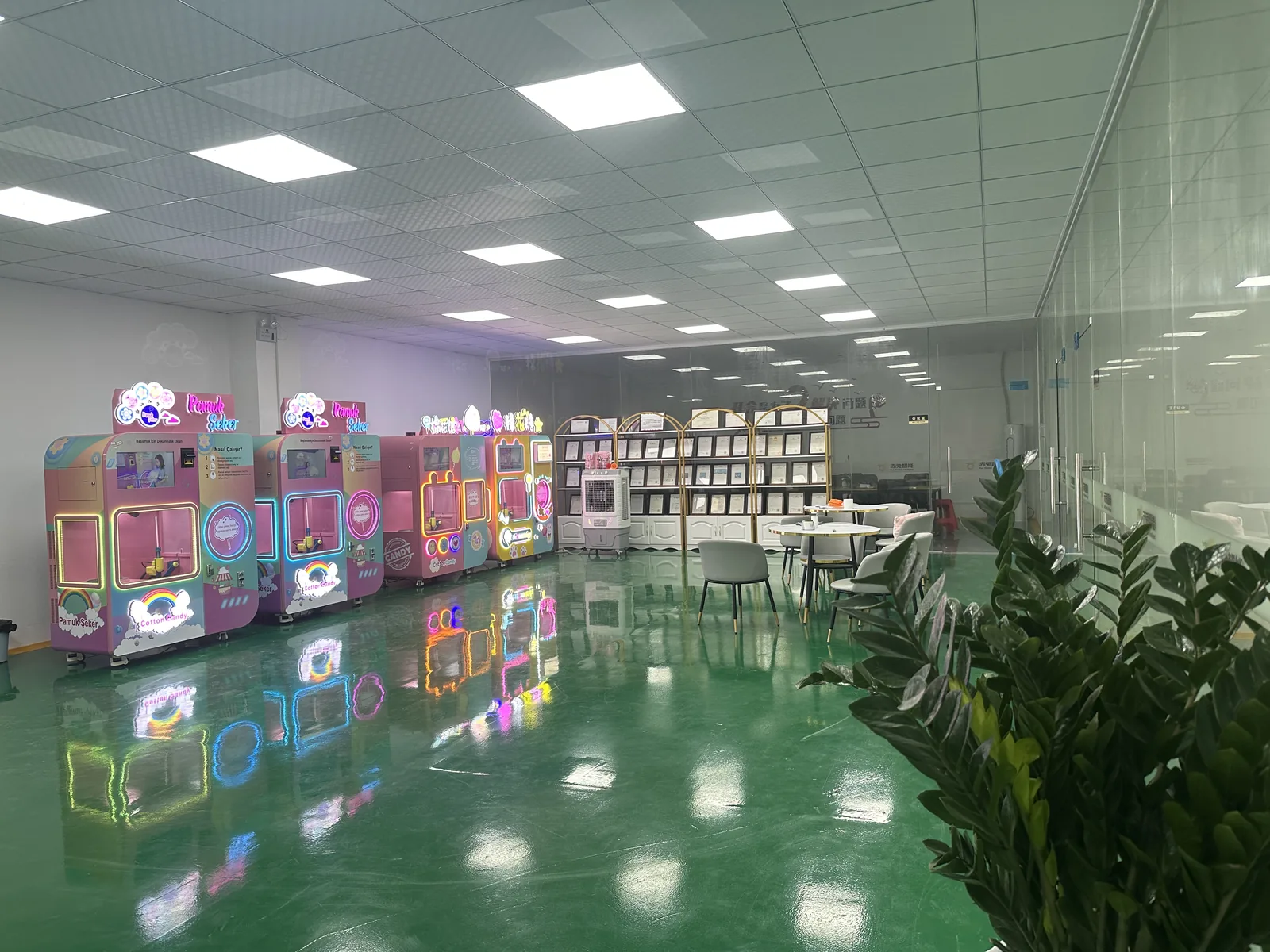
For a smaller operator this is a signal, not a threat. You do not need to build a micro market tomorrow. You need to understand that the plain snack machine is the most competitive, lowest-margin corner of the business. The opportunity sits in machines that make something in front of the customer, a cotton candy cone, a cup of soft serve, a frozen drink. Those are the formats where the cashless ticket gap works hardest for you. The product is visual, the price is a few dollars, and the customer is already in a mood to buy.
Experience machines also solve a problem the plain snack machine cannot. A customer does not gather around a bag of chips and watch it get made. A cotton candy or ice cream vending machine turns a purchase into a small show, and a small show draws the next customer over. Foot traffic is the one asset no amount of pricing can buy, and these machines create their own.
Telemetry closes the loop
Another trend is quieter but just as important. Connected machines are now the default, and most new installations ship with some form of remote monitoring. What used to be a guess, is the machine sold out or broken, now shows up as an alert on a phone. Operators using live inventory and fault data report less downtime, and every hour a machine sits dark is revenue that never comes back.
This matters more for small operators than for big ones. A large route can absorb a dead machine for a day without much pain. A single owner with eight machines cannot. Remote alerts turn a six-hour outage into a two-hour fix, and that difference compounds over a month. The hardware itself has also gotten more dependable, with energy-efficient compressors and fewer moving parts. That trims the maintenance bill, which has always been one of the biggest hidden costs in vending.
The small operator is better positioned than it looks
Big operators hold a lot of the prime locations, and they are consolidating. That sounds like bad news for a newcomer, but it hides an opening. Large fleets are built around standardized snacks and drinks, and they move slowly. An independent can pick one high-traffic venue, drop an experience machine there, and make that single corner more money than a row of plain snack machines. The 2026 data keeps pointing the same direction: the edge is in specialized, made-to-order formats, not in fighting for the same beverage slot as everyone else.
Consolidation also raises the bar on service. Landlords who have been burned by a broken machine and a slow vendor are happy to sign someone who shows up fast and keeps the machine clean. For a one or two person operation, that level of care is the whole advantage. You are not a fleet manager. You are the person who answers the phone when the machine beeps.
What a single operator should do with this
If I had to compress the whole 2026 trend report into advice, it would come down to three lines. Accept cards and phones on every machine, because the ticket gap is real and it compounds. Put your next machine into a format that makes something, because that is where the growth and the margin sit. And buy machines you can monitor remotely, because downtime is the one cost that hides from you.
None of this requires a big fleet or a technical background. It requires choosing equipment and locations with the same eye a retailer uses. The days of dropping a coin box in a hallway and checking it once a month are over. The operators doing well now treat each machine as a small store, watch its numbers, and move it when the numbers stop working. For a deeper read on the business basics, the Small Business Administration has a plain-language guide that covers planning and structure better than most industry blogs.
If you are planning your first machine or your tenth, start with the payment question. It is the cheapest decision that changes everything else, and it is the one place where the 2026 data leaves no room for argument. Talk to a supplier about a machine that accepts cards, makes something people want to watch, and phones home when something breaks. That combination is where the money is moving. You can reach the Red Rabbit team through the contact page if you want to talk through which format fits your location.