An operator I spoke to recently keeps a laptop open on his kitchen counter every evening. It shows him, at a glance, which of his machines are low on stock, which ones sold more than usual that day, and which one has a compressor running a little too hot. Ten years ago that same person would have spent his evenings driving a route and counting cans by hand. The machine did not get smarter overnight. The software behind it did.
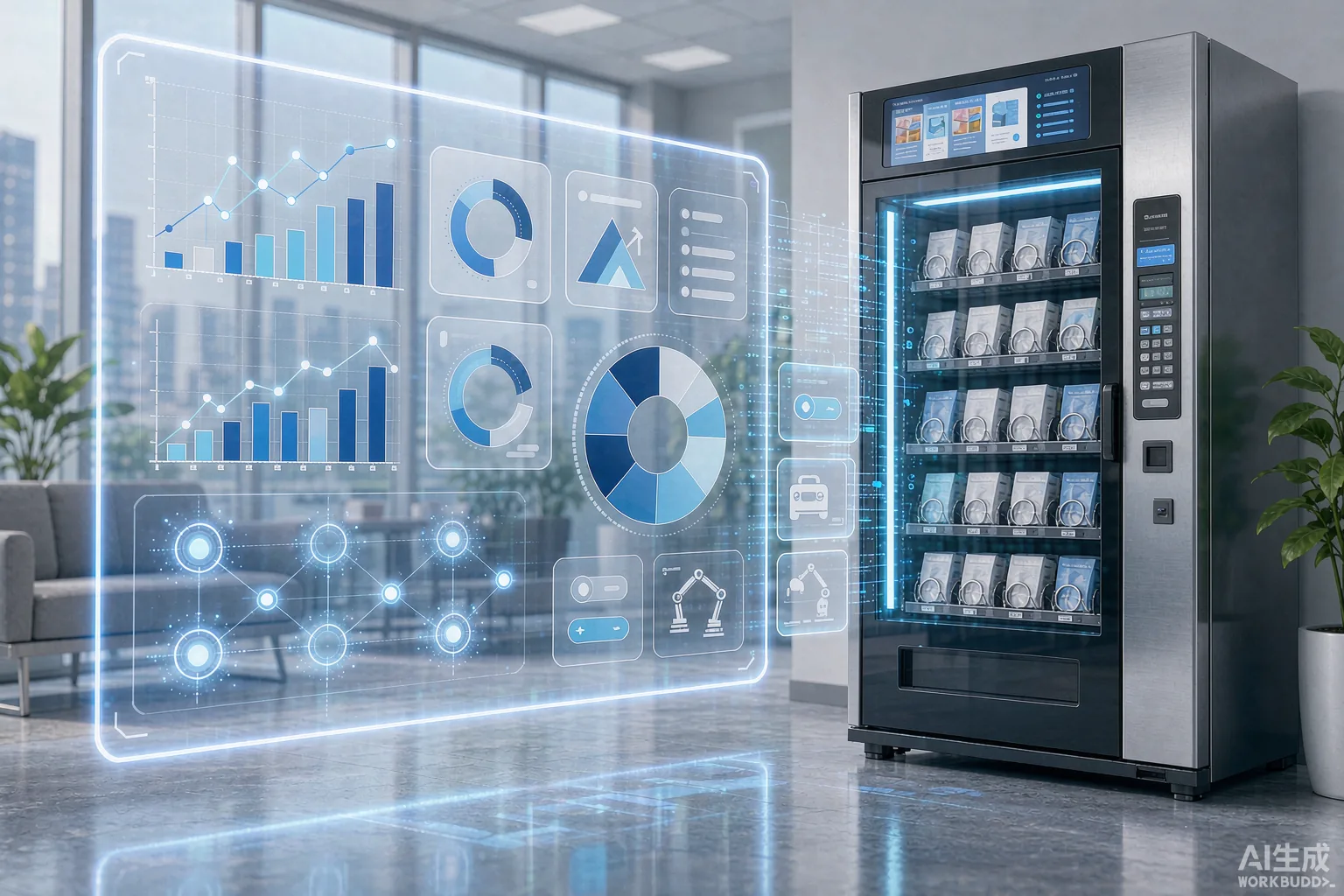
For years the big story in automated retail was about getting machines connected. That story is basically over. In 2026 the connected machine is the default, not the differentiator. What actually changed this year is quieter and far more useful. AI moved from collecting data to making decisions. The machine is no longer just reporting what it sold. It is deciding what to stock, when to restock, and what to charge on a slow Tuesday versus a Saturday rush.
The connected machine is now the baseline
By mid 2026, roughly 8.1 million vending machines around the world were connected to a network, according to Berg Insight, which works out to about 58 percent of the global installed base. North America leads at around 60 percent, Europe sits near 55 percent, and the rest of the world, mostly China and Japan, lands around 58 percent. Those figures matter because they tell you connectivity is no longer a premium feature you pay extra for. It is the floor.
The smart and intelligent vending segments are growing quickly on top of that base. One widely cited forecast puts the intelligent vending machine market at about 19.8 billion US dollars in 2026, climbing at an annual rate near 11.6 percent through the middle of the next decade. Another puts the smart vending category at roughly 11.6 billion dollars this year, heading toward 21.5 billion by 2033. The exact numbers differ because every firm draws its own line between “smart” and “connected.” The direction does not. Machines with brains are replacing machines without them, and the pace is speeding up.
Why now? Because the parts got cheap. Connectivity hardware costs about 40 percent less than it did in 2022. AI vision modules are roughly 38 percent cheaper than they were in 2023, and their accuracy has climbed into the high 90s. When a capability gets that affordable and that reliable, it stops being a premium upgrade and quietly becomes standard equipment.
What AI actually does on a machine in 2026
Most of the “AI” language in vending is marketing. Underneath it, three concrete things now happen on ordinary machines, and they are the real reason the numbers above keep climbing.
Dynamic pricing. A connected machine can change its price by time of day, by inventory level, or by weather, without anyone driving out to the site. Operators who run this with a light hand, rather than a heavy one, report a revenue lift somewhere between 10 and 18 percent. One operator saw 14 percent higher revenue per machine after switching it on. The catch is transparency. A customer who sees the same drink cost a little more at lunch rush than at four in the afternoon will usually shrug. A customer who feels gouged will walk away and not come back.
Predictive restocking. Instead of driving a route on a fixed weekly schedule, the machine tells you which locations actually need a visit. Operators using this cut ingredient and product waste by around 22 percent and lower route labor costs by 20 to 35 percent. An empty slot is the most expensive thing in vending, because an empty slot sells nothing while the rent and the power bill keep running.
Predictive maintenance. Sensors watch compressors and motors for the earliest signs of wear, and the machine flags a problem before it turns into a breakdown. Operators on these systems report 40 to 60 percent fewer failures. For a frozen treat or cold drink machine, that is the difference between a scheduled part swap on a quiet morning and a whole weekend of lost summer sales.
None of this is exotic. It is software running quietly on a box that used to just sit there and wait.
Why made to order machines benefit most
There is a second trend hiding inside the data, and it matters more to a small operator than any market forecast. The fastest growing corner of automated retail is the made-to-order and experiential category: machines that cook, mix, print, or engrave something in front of the customer, instead of handing over a packaged snack. Every one of those transactions generates richer data than a can of soda does, because the machine is producing, not just dispensing.
Think about what that means for the AI story. A snack machine can tell you how many bags sold. A cotton candy machine can tell you which flavor combinations sell, at what hour, in which location, and even how many people stood and watched the machine work and then walked away without buying. That last number, the watchers, is invisible to a snack machine and pure gold to an operator. It is a live signal about foot traffic and curb appeal that a packaged product can never give you.
Red Rabbit builds exactly these made-to-order machines out of Guangzhou, from cotton candy and ice cream to shaved ice, slush, phone case printing, jigsaw puzzle printing, and laser glass engraving. The same telemetry that tells a beverage operator to restock a cold can tells a cotton candy operator that Saturday mornings at the mall run out of pink before blue, and that adding a second sugar color pays for itself in a week. When the machine is the one making the product, the data it produces describes the customer, not just the inventory.
You can see the made-to-order lineup here: cotton candy vending machines, snowflake ice vending machines, and slush vending machines.
The small operator’s playbook for 2026
If you run a handful of machines, the lesson is not “go buy expensive AI.” It is simpler and cheaper than that.
Connect first. If your machines are offline, fix that before anything else. You are flying blind while your competitors can see their stock levels from a phone.
Turn on telemetry, then trust it. The hardest habit to break is driving the whole route every week out of routine. Let the machine tell you where to go. The labor savings alone usually cover the cost of the connection.
Try dynamic pricing with a light hand. Test it on one machine, move prices a small amount, and watch how customers respond before you roll it out everywhere. Aggressive surge pricing is how you lose regulars.
Pick a made-to-order category for your next location. The margins and the data are both better, and the category is growing faster than packaged snacks. If you are already in frozen desserts, printing, or engraving, you are on the right side of the trend.
None of this requires a data science team. Most of it is available through the software your machine’s manufacturer or payment partner already offers.
Where this leaves you
The 2026 numbers tell a clear story. The connected machine is now the default, AI has moved from collecting data to making decisions, and the operators who lean into it are cutting waste, cutting labor, and lifting revenue all at the same time. The made-to-order and experiential machines sit at the center of that shift, because they generate the richest data and the strongest appeal in a crowded, high-traffic spot.
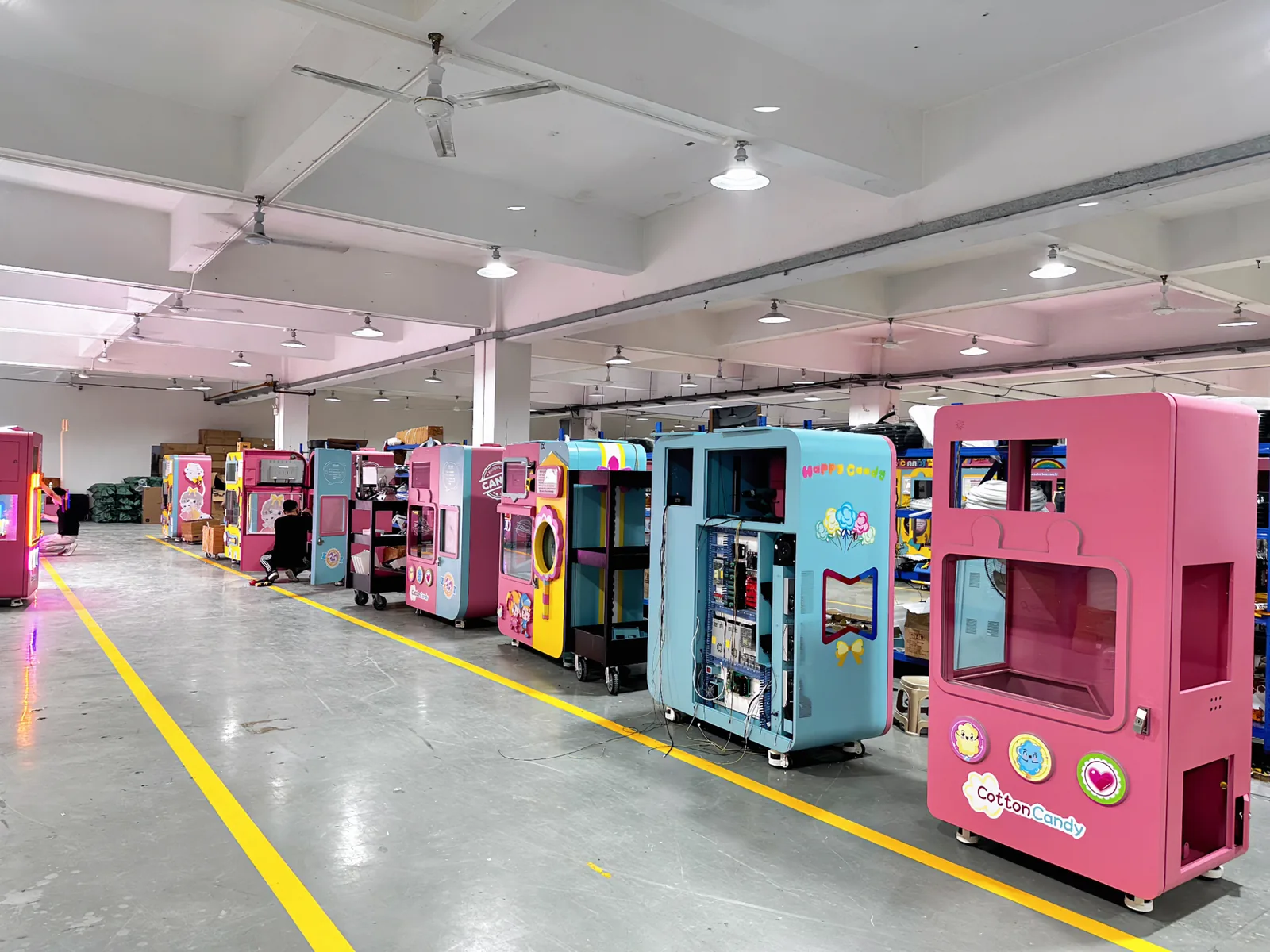
If you want to see how these machines work in practice, or you are weighing your next location, start a conversation with the people who build them. You can reach Red Rabbit here. The industry sources this piece draws on include the National Automatic Merchandising Association and the U.S. Small Business Administration business guide.