Maya runs a dessert counter at the edge of a park in a city that stays hot for half the year. Her menu was solid, coffee and pastries and a few cakes, and the mornings carried her. The afternoons were the problem. By two o’clock the foot traffic was there, families pushing strollers and kids out of school, but they walked past her window on their way to somewhere cooler. She watched the same crowd every day and sold almost nothing to it.
She told me this over a call one spring, sounding more tired than frustrated. “I have the people,” she said. “I just don’t have the thing they want at two in the afternoon.” That sentence stuck with me, because it is the whole game in one line. She did not need more customers. She needed the right product for the customers who were already there.
The thing she was missing
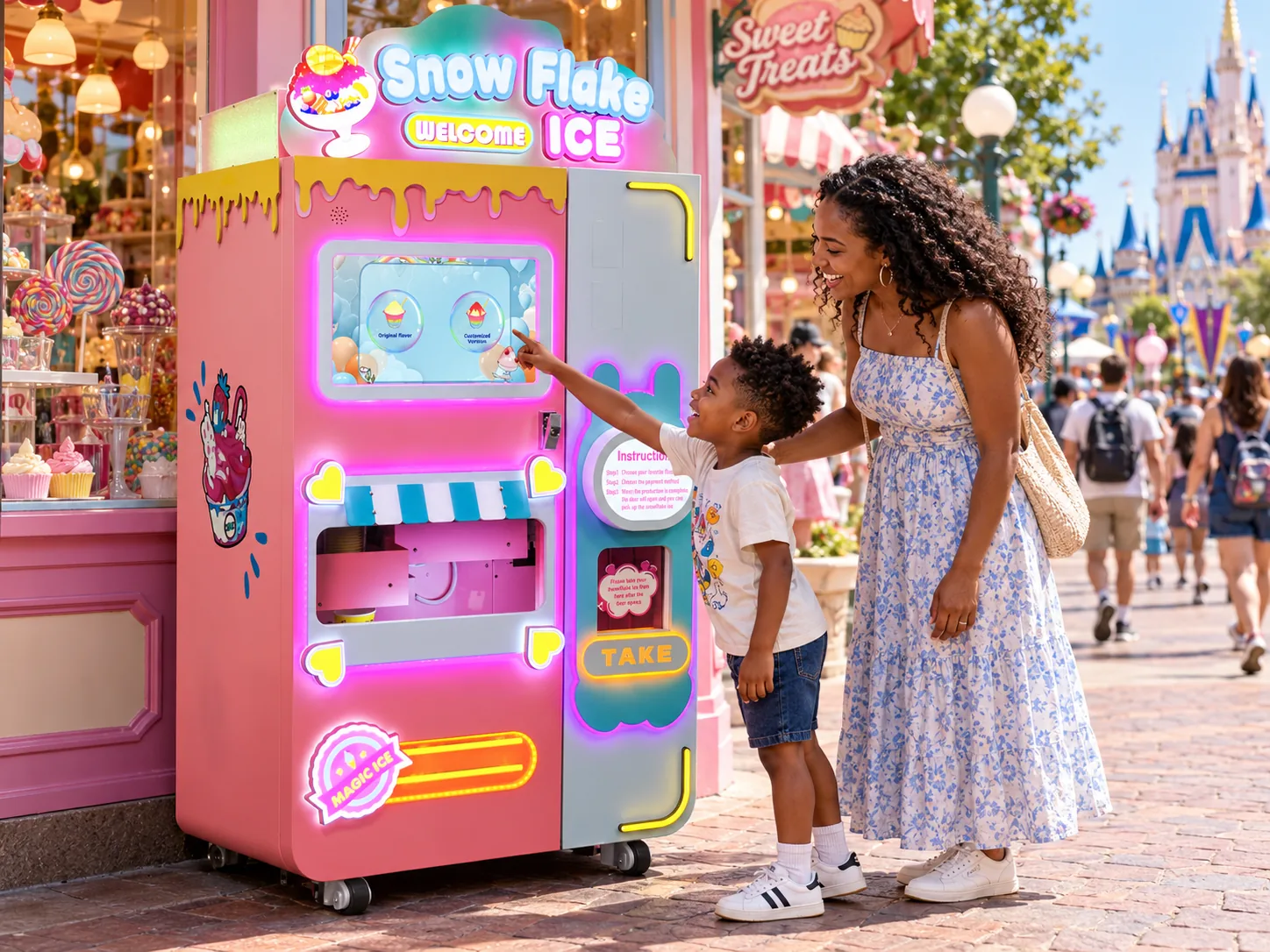
What the two o’clock crowd wanted, without quite knowing it, was cold. Not a cold drink in a can, something softer and more playful, the kind of thing you eat with a spoon and hold in a cup while you walk. A snowflake ice machine does exactly that. It shaves ice into a fine, fluffy mound that drinks up syrup instead of just getting wet, so every bite carries flavor rather than a mouthful of plain ice. Topped with fruit or condensed milk, it looks like a dessert and costs like a treat.
Maya had never seen one run. When I described it she paused and said, “So it’s like the shaved ice at the night market, but the machine makes it for you.” Close enough, and that was the moment she started to picture it behind her counter. The machine was small enough to fit where an unused pastry display sat, and it needed no one to operate it beyond refilling the ice and syrups.
Fitting the machine into her day
What surprised Maya most was how little the machine asked of her. She had braced herself for a new set of chores, but the daily routine turned out to be lighter than the coffee station she already ran. She topped up the ice and the syrup bottles each morning, gave the parts that touch the drink a quick rinse, and that was it for most of the day. The machine did the shaving and the portioning on its own, so she never had to stand over it.
She kept the toppings in a small cooler beside the machine, chopped fruit and a squeeze bottle of condensed milk, and left the rest to the customer. The whole setup took up about as much room as a microwave on a counter. That mattered, because it meant the snowflake ice line never competed with her other menu for space, and it never demanded a dedicated staff member. It simply sat there and sold while she worked the register.
The first week went flat
She switched it on and waited, and for the first several days almost nothing happened. A handful of people stopped, read the small sign she had taped to the glass, and kept walking. The machine made a quiet, clean cup of snowflake ice, but nobody knew what it was. Maya nearly wrote the whole thing off as another idea that worked for someone else.
What changed was a school field trip. A group of kids came through the park on a Thursday, and one of them spotted the machine through the window and pulled the whole group inside. Maya served cup after cup of mango and strawberry snowflake ice, and the line stretched out the door for twenty minutes. After that, the afternoons were never the same, because the kids went home and told other kids, and the parents saw it happen with their own eyes.
What she figured out that first month
Once the machine had proven itself, Maya started treating it like a real product instead of an experiment. She moved it closer to the window where people could watch the ice mound form, because the visual was half the sale. She put a clear menu with three topping choices above it, keeping the options simple so nobody stood there too long. She learned to refill the ice early in the afternoon, before the two o’clock rush, because running out mid line was the only thing that genuinely upset people.
The numbers stayed modest, which is exactly how she likes them. A cup costs her a few cents in ice and syrup and sells for a few dollars, and the machine paid for itself across a hot season without her ever running a promotion beyond the view from the window. She did not need a spreadsheet to feel the difference, she just noticed that the afternoons finally earned something.
The lessons that travel
Maya’s story is not unusual, and that is the point. Most of the operators who do well with a snowflake ice machine did not invent anything. They took a machine that makes a good dessert, put it where hot, curious foot traffic could see it, and gave people a reason to stop. The mistakes she made are the common ones, a weak sign and a hidden machine, and they were cheap to fix.
The product itself rewards a little patience. Snowflake ice is new to a lot of customers, so the first few days are about discovery, not sales. Give it a visible spot and a couple of flavor options and let the first rush do the marketing. Food safety stays simple too, because you are handling ice and syrup and a daily rinse, the kind of routine the FDA Food Code was written around.
If Maya’s setup sounds like your location, our snowflake ice vending machines page shows what the machine does and where it tends to earn the most. And if you are weighing it against a drinkable option, the slush vending machines page will help you tell the two apart.
The afternoons that used to be empty
A month after we first spoke, Maya sent me a short message. It just said the two o’clock crowd was now the busiest part of her day, and she had ordered more syrup. No big numbers, no celebration, just a fact. That is how a good machine changes a business, quietly and then all at once. If your corner has the people but not the product, the answer might be sitting in the spot where the old pastry display used to be.
Ready to see if a snowflake ice machine fits your location? Reach out through our contact page and tell us about your space and your foot traffic.
Related machines from Red Rabbit
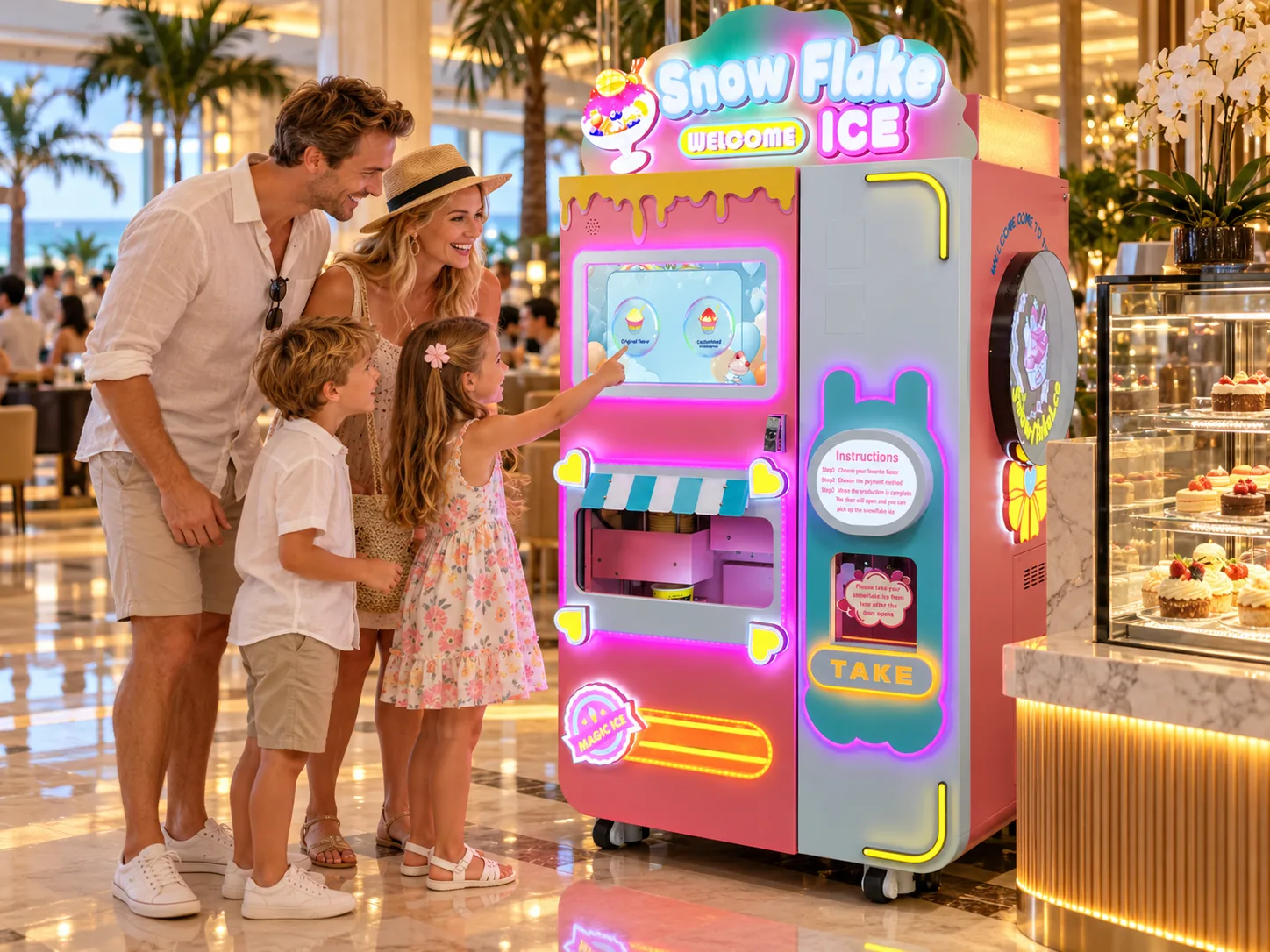
Red Rabbit vending machine | Red Rabbit vending machine | Red Rabbit vending machine