Ryan runs three slush machines inside a family entertainment center in Ohio. The first summer went well, then came a Saturday afternoon when one of the machines started pushing out thin, watery slush. The line backed up. Kids got impatient. Ryan spent the next hour taking the front panel off while a crowd watched. He told me later that the problem was a clogged syrup line and a condenser buried in lint, both of which a simple weekly routine would have caught days earlier. His story is the reason I keep telling new operators that a slush machine is not a set it and forget it box. It is three systems stacked together, refrigeration, syrup delivery, and a freezing barrel, and each one needs attention on its own schedule.
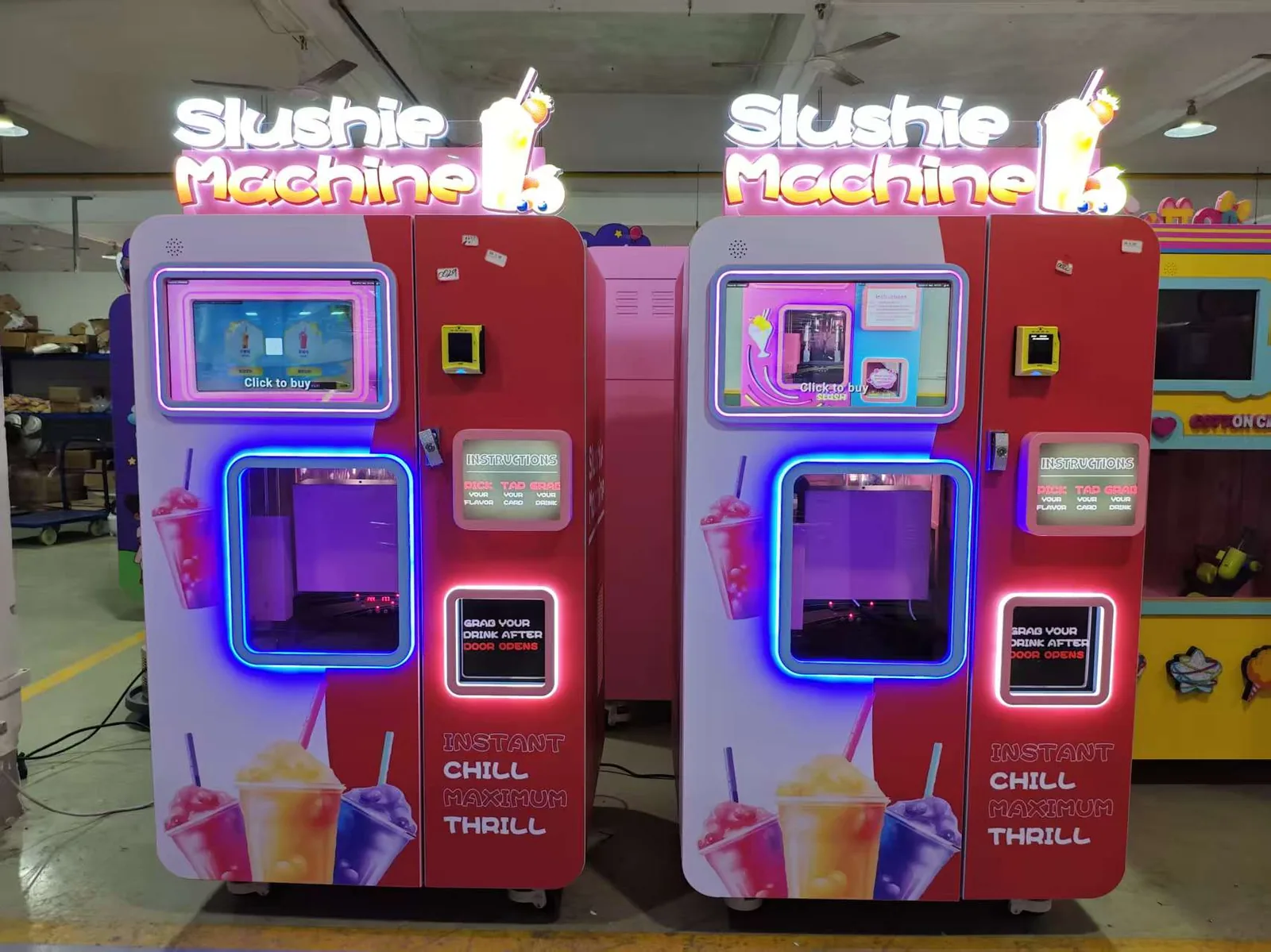
What follows is the maintenance routine I have seen working operators follow. It is broken into daily, weekly, and monthly tasks, plus the common faults you can fix yourself before calling a technician. None of this is hard. Most of it takes minutes. It just has to happen on a rhythm, because a slush machine fails quietly, then all at once, usually in the middle of a rush.
Why a Slush Machine Needs Different Care Than a Snack Machine
A chip or candy machine mostly needs to be stocked and wiped down. A slush machine is a refrigerated food machine. Inside the barrel, a mix of water, sugar, and flavoring is being chilled while an auger scrapes the walls so the mixture freezes into fine crystals instead of one solid block. If the sugar concentration is off, the mix freezes too hard or stays too runny. If the condenser cannot breathe, the compressor works harder and runs hotter. If a syrup line dries out, it crystallizes and blocks. Three separate failure points, all invisible from the outside, which is why the routine below covers all three.
Daily Tasks, Five Minutes at Close
The daily pass is about cleanliness and a fast health check. Do it at the end of the day so the machine starts clean the next morning.
First, wipe the dispensing area and the drip tray. Spilled slush turns sticky fast and attracts insects, which is the last thing a health inspector wants to see. Empty and rinse the drip tray instead of just dumping it. Second, check the syrup levels. If a flavor is close to empty, refill it now rather than discovering the gap mid rush tomorrow. Third, run a quick consistency check. Pull a small cup and watch how it settles. It should hold a soft peak, not flow like water and not stand stiff like a spoonful of sherbet. Fourth, glance at the temperature display if your model has one, and note whether the compressor is cycling normally instead of running without stopping. A compressor that never rests is a sign the condenser is dirty.
One operator I spoke to keeps a five item clipboard next to each machine and initials it every close. It feels like overkill until the day a health inspector walks in and you can point to the log. The FDA Food Code treats a slush machine as food contact equipment, so a written cleaning routine is the cheapest insurance you can buy.
Weekly Tasks, Twenty Minutes
The weekly pass is where you catch the problems that the daily glance misses.
Start by flushing the syrup lines. Run warm water through each line and the dispensing valve to clear sugar residue before it hardens. This is the single most common cause of the thin slush Ryan dealt with, and it is entirely preventable. Next, clean the condenser. Unplug the machine, remove the side or back panel, and vacuum or blow out the dust and lint on the condenser fins. A blocked condenser is behind a large share of compressor failures, and it costs nothing to prevent. After that, check the mix ratio. If you use a brix meter or a refractometer, test the mix against the number your machine’s manual recommends. Sugar is what controls freezing point, so this one reading tells you whether the barrel will freeze properly all week.
Then look at the gaskets and seals on the dispensing valve and the hopper lid. A cracked or loose seal lets warm air in, which makes the machine work harder and can let bacteria in. Finally, rotate your flavor lineup. If a slow flavor has been sitting, move it to a smaller hopper or swap it out. Stale product in the hopper wastes more money than any other single habit.
Monthly Tasks, One Hour
The monthly pass is a deeper clean and a mechanical inspection. If you skip these, the machine will still run for a while, then fail on the busiest day of the month.
Empty the hoppers and give the inside of each a full sanitizing wash with a food safe cleaner, then rinse until there is no residue. Take the dispensing valve apart and clean the parts individually, because sugar hides in the small channels. Check the auger and the drive coupling for wear, a slush machine’s auger scrapes ice off the barrel wall all day, so it is a wear part. Look for cracks, chips, or a loose fit. Inspect the power cord and plug for heat marks or fraying. Confirm the machine is level, since an unlevel barrel freezes unevenly and strains the auger. Finally, run the machine empty for a few minutes and listen. A new rattle, a constant hum, or a compressor that short cycles are all early warnings.
Common Faults You Can Fix Yourself
| Symptom | Likely cause | Quick fix |
|---|---|---|
| Slush is too thin or watery | Wrong sugar ratio or a clogged syrup line | Check the mix with a brix meter, then flush the syrup line |
| Slush is too hard or frozen solid | Mix too concentrated or thermostat set too cold | Dilute the mix slightly and adjust the freeze setting |
| Machine is warm, compressor hot | Dirty condenser or blocked airflow | Clean the condenser and give the unit room to breathe |
| No syrup dispensing | Dried sugar in the valve | Disassemble and clean the valve in warm water |
| Loud rattle from the barrel | Worn auger or unlevel machine | Level the machine and inspect the auger for damage |
Most of these are fixed in minutes with basic tools. The trick is to act on the first sign instead of waiting for the machine to shut down. A machine that is slightly off today is a machine that is fully down tomorrow.
Off Season Care for a Machine That Rests
Slush sales are seasonal in most markets, which means many machines sit idle for part of the year. Idle time is when machines quietly destroy themselves if you store them dirty or leave mix inside. When you park a machine, empty every hopper and barrel, flush the syrup lines with clean water, and run the machine briefly to push water through the valve. Then leave it unplugged and slightly open so moisture cannot build mold inside. Cover it, but not tightly, so air can still move. When you bring it back, run the full monthly pass before the first cup is sold. A machine that was stored clean comes back to life in an afternoon. A machine that was stored dirty comes back as a repair bill.
This whole routine sounds like a lot on paper, but it settles into a habit fast. Five minutes a day, twenty minutes a week, an hour a month. That is the entire cost of a slush machine that runs through peak season without a breakdown. Compare that to the cost of a dead machine on a Saturday afternoon, with a line of kids waiting and a technician who cannot arrive until Tuesday. The math is not close.
If you are evaluating machines, or you want a maintenance manual matched to a specific model, the slush vending machines from Red Rabbit ship with a full care guide, and the team will walk you through the barrel, syrup, and condenser routine before your first day. You can also reach out directly if you are troubleshooting a machine you already run.
Keep a maintenance log. The operator who writes down every clean and every check is the operator who spots a pattern before it becomes a breakdown. Five minutes of paperwork saves you a Saturday.
Related machines from Red Rabbit

Red Rabbit vending machine | Red Rabbit vending machine | Red Rabbit vending machine