“It is just shaved ice, right?” I hear some version of that on most sales calls. A buyer looks at a snowflake ice machine, compares it to a snow cone stand they saw at a fair, and assumes they already know the product. Then they walk away. The problem is that snowflake ice and a snow cone are not the same thing, and a lot of the hesitation around this machine is built on that confusion and a few other wrong ideas.
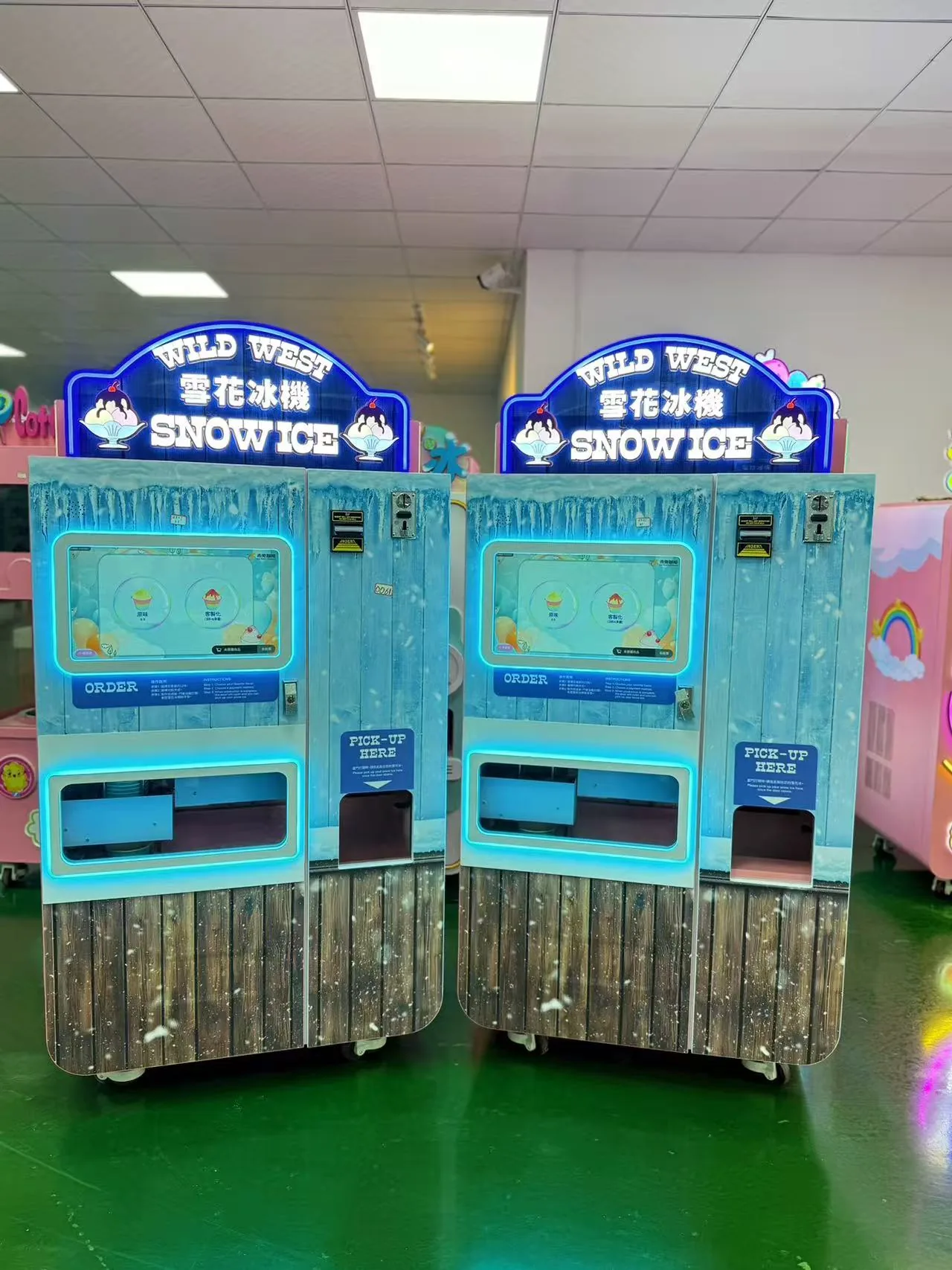
Snowflake ice is a distinct frozen dessert, the kind you see in Korean bingsu shops and modern dessert cafes. It is shaved into ribbons so thin they melt on the tongue, then served with condensed milk and toppings. The machine that makes it is not a novelty. It is a serious piece of equipment that has changed how dessert counters operate. Let me clear up the myths that keep buyers from seeing that.
Myth one: snowflake ice is just a snow cone
A snow cone is crushed ice with syrup poured over it. It is crunchy, it separates in the cup, and the syrup runs to the bottom. Snowflake ice is different. The machine shaves a frozen milk block into paper-thin ribbons that stack into a soft, cloud-like mound. Because the block itself contains milk or cream, the flavor is baked into the ice, not just poured on top.
That difference changes everything for a seller. A snow cone is a cheap fair treat. Snowflake ice is a premium dessert that supports toppings like fresh fruit, mochi, red bean, and condensed milk. The texture is what customers pay for, and it is the reason this product can sit on a dessert menu next to cake and ice cream instead of on a carnival cart.
Myth two: it only sells in summer
This is the most common one, and it comes from thinking of the product as a way to cool down. But snowflake ice behaves more like ice cream than like a cold drink. It is a dessert people order after a meal, in a cafe, or as a shared plate, and those habits do not stop when the weather cools. In bingsu’s home market, the busiest season runs well past summer because the dish is tied to social eating, not just temperature.
Operators who treat it as a year-round dessert do not have to fight a brutal off-season the way a slush or cold drink seller does. You still see a summer bump, and you should price and staff for it. But the base demand holds through the year because the customer is buying a treat, not relief from the heat.
Myth three: you need a trained chef to make it
The mental image is a person hand-shaving a block of ice, the way traditional stalls do. A snowflake ice machine removes that skill from the equation. The block goes into the machine, the machine shaves it into ribbons and mounds it into the bowl, and the operator just adds toppings. It is a press of a button, not a culinary technique.
That matters because staffing is the hidden cost in any dessert business. A product that needs a dedicated person who can shave ice by hand limits when you can sell it. A machine-based version lets a counter worker run the dessert station and the register at the same time. Our CT-BS310 model is built around that idea, a compact unit that does the shaving and mounding while the operator handles the toppings and the customer.
Myth four: it only works in Asian markets
Bingsu started in Korea, but it has spent years spreading the same way bubble tea did. Dessert cafes in North America, Europe, and Australia now put snowflake ice on the menu because the visual appeal travels easily on social media. A tall bowl of ribboned ice topped with mango or matcha is the kind of photo that sells itself online, and operators everywhere are catching on.
The customer does not need to know the cultural history to want the product. They need to see it, and a good snowflake ice bowl gets photographed. That is a marketing asset most cold treats do not have. If anything, being less familiar in a market is an advantage, because it makes your counter the interesting new option instead of another ice cream scoop.
Myth five: the machine is high maintenance
Any machine that touches milk has to be cleaned, and that is where the fear comes from. But the daily routine for a snowflake ice machine is short. You empty and wipe the shaving area, clean the bowl and the parts that touched the block, and let them dry. It is the same food safety habit you would keep for a soft serve or a milkshake machine, and it follows the standard food code guidance for dairy equipment.
The machine itself is simpler than people expect. The main moving part is the shaving blade and the block holder. There is no compressor-heavy soft serve system to babysit. When something does need attention, most fixes are a blade adjustment or a cleaning issue, not a service call. The National Automatic Merchandising Association keeps operator resources that walk through routine care for frozen equipment, and the list for this machine is shorter than most.
Myth six: people will not pay much for a bowl of ice
This one falls apart the moment you look at how dessert pricing works. Customers do not pay for the raw ingredient. They pay for the experience, the presentation, and the toppings. A snowflake ice bowl that looks like a small mountain of ribbons and carries fresh fruit and sauce can command a real dessert price, the same way a loaded sundae or a slice of cake does.
The operator’s cost per bowl stays low because the base is a frozen milk block, and the toppings are portioned. That leaves room for a healthy margin while still pricing the bowl like the premium dessert it is. The people who hesitate on price are usually the ones still picturing a snow cone. Once they see the finished bowl, the objection disappears.
What to check before you believe the myths
If you are weighing a snowflake ice machine, test the product, not the rumors. Ask a supplier to show you a finished bowl and let you taste the texture, because the ribboned mouthfeel is the whole product. Ask about the daily clean, and watch how long it actually takes. Ask what the machine is built from, since stainless steel parts that touch milk will last longer and clean easier.
Then compare it honestly against the other frozen formats you could run. Snowflake ice and a slush machine serve different customers, and the difference matters if you are choosing between them. If dairy desserts are more your market, an ice cream machine is a different conversation entirely. And if you want to talk through which format fits your location, our team in Guangzhou has shipped these machines to operators in more than 130 countries, and we are happy to walk you through it.
Snowflake ice is not a fairground novelty. It is a premium frozen dessert with a texture no other machine produces, a year-round customer base, and a simple operating routine. Most of the hesitation around it disappears once you see a bowl and separate the myths from the machine.
Related machines from Red Rabbit
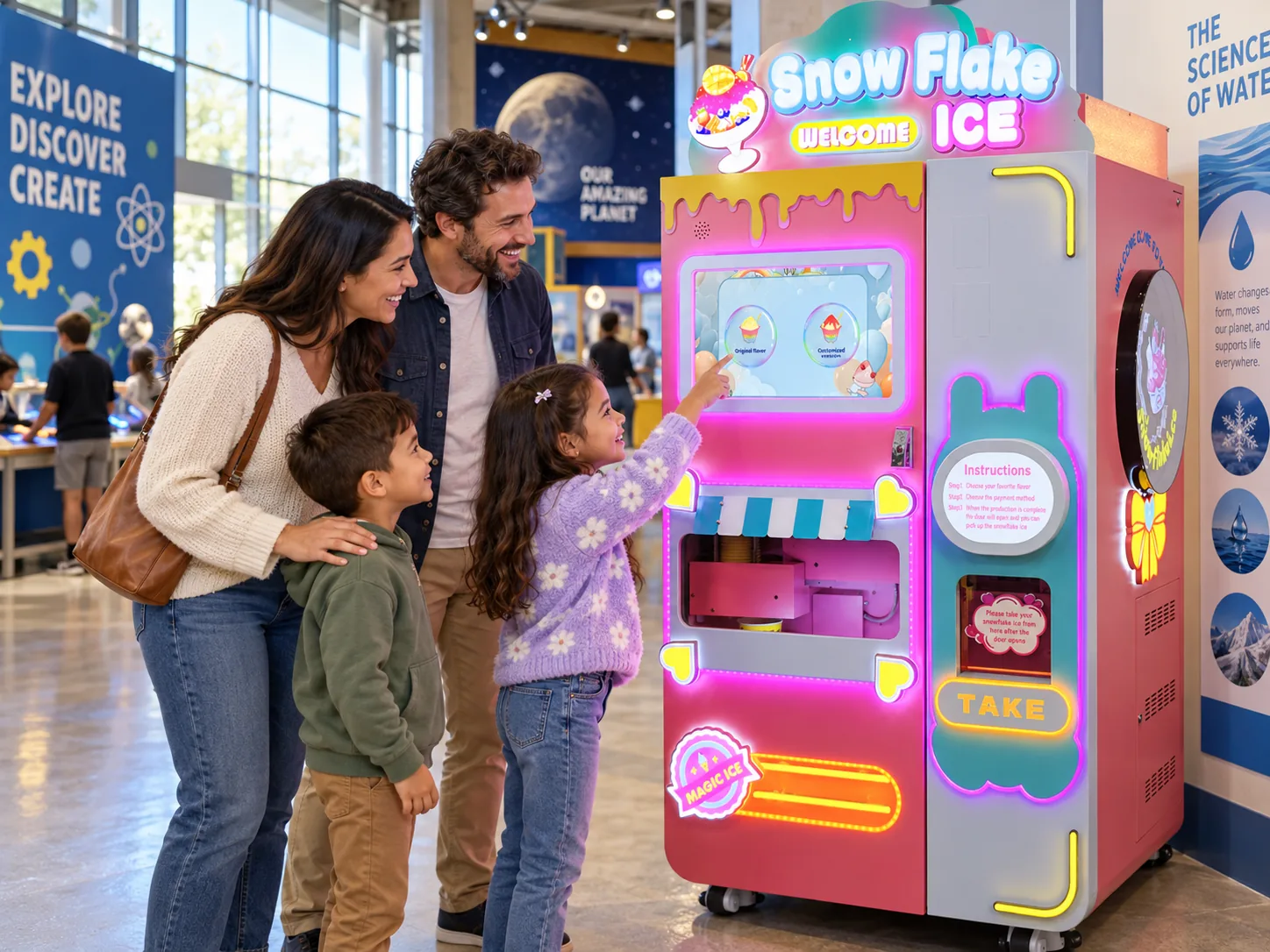
Red Rabbit snowflake ice vending machine product page | Red Rabbit vending machine | Red Rabbit vending machine