Marcus had been running his 11 machines for six years and he was convinced the problem was the locations. Four machines sat in two office buildings, three in a community college, two in a hospital waiting area, and two in a laundromat near a bus stop. The machines worked. The coin mechanisms rarely jammed. And every month the revenue stayed flat while his time on the road kept growing. When he finally pulled the transaction data instead of guessing, the answer was not what he expected. The machines were fine. The way people wanted to pay had moved on without him.
状況:現金に縛られたレガシールート
マーカスの機械はすべて現金専用だった。引退するオペレーターから格安で一式を買い取り、変える理由は見当たらなかった。設置場所には人の流れがあった。商品は売れていた。しかし彼が話す間、 2026年マイクロペイメント動向レポート kept coming back to me while he talked. Cashless customers spend an average of $2.45 per vending transaction. Cash customers spend $1.57. That is a 59% gap, and it is not a rounding error. The same machine, in the same location, earns nearly 60% more per sale when the customer can tap a card or a phone. The second number was worse for Marcus. Roughly 78% of vending sales are now cashless, and 85% of those cashless taps are contactless. His entire route was built for the shrinking 22%.
He was not losing sales because the locations were bad. He was losing sales at the moment a customer put a hand in their pocket, found no coins, and walked away. That gap had a price. At roughly $0.88 per transaction, a cash-only machine doing 30 transactions a day was leaving close to $9,700 a year on the table per machine. Across 11 machines, the math got uncomfortable fast.
The Diagnosis: Three Leaks, Not One
We spent a week mapping what was actually happening at each site. Three patterns showed up, and none of them were about the locations being weak.
First, payment friction. The office buildings and the college had young, card-first crowds. On the rare day a machine took a card it sold out of premium drinks by lunch. On cash days the same machine moved almost nothing. The hospital waiting area was the clearest signal of all. People sitting there had cards and phones, not rolls of quarters, and they abandoned purchases at the machine all afternoon.
Second, the product mix had not changed in years. The machines still carried the same cola and chip lineup the previous owner had loaded a decade ago. A growing slice of buyers, especially in the office buildings, wanted something healthier or at least made in front of them. Industry research puts the global vending market at about $79 billion in 2026 and still growing, but the growth is concentrated in machines that do more than drop a bag of chips. More than 60% of newly installed machines now support digital wallets and QR codes as a default. Marcus was running the opposite of a default.
Third, service time. Because nothing was connected, Marcus drove to every machine on a fixed loop, sometimes to refill a machine that was already full and sometimes to find a machine that had sold out three days earlier. His instinct was to blame the locations. The real cost was that he could not see any of them.
The Changes: Retrofit Payment, Swap One Machine, Rework the Mix
We changed three things over a single month, and we did it in a specific order.
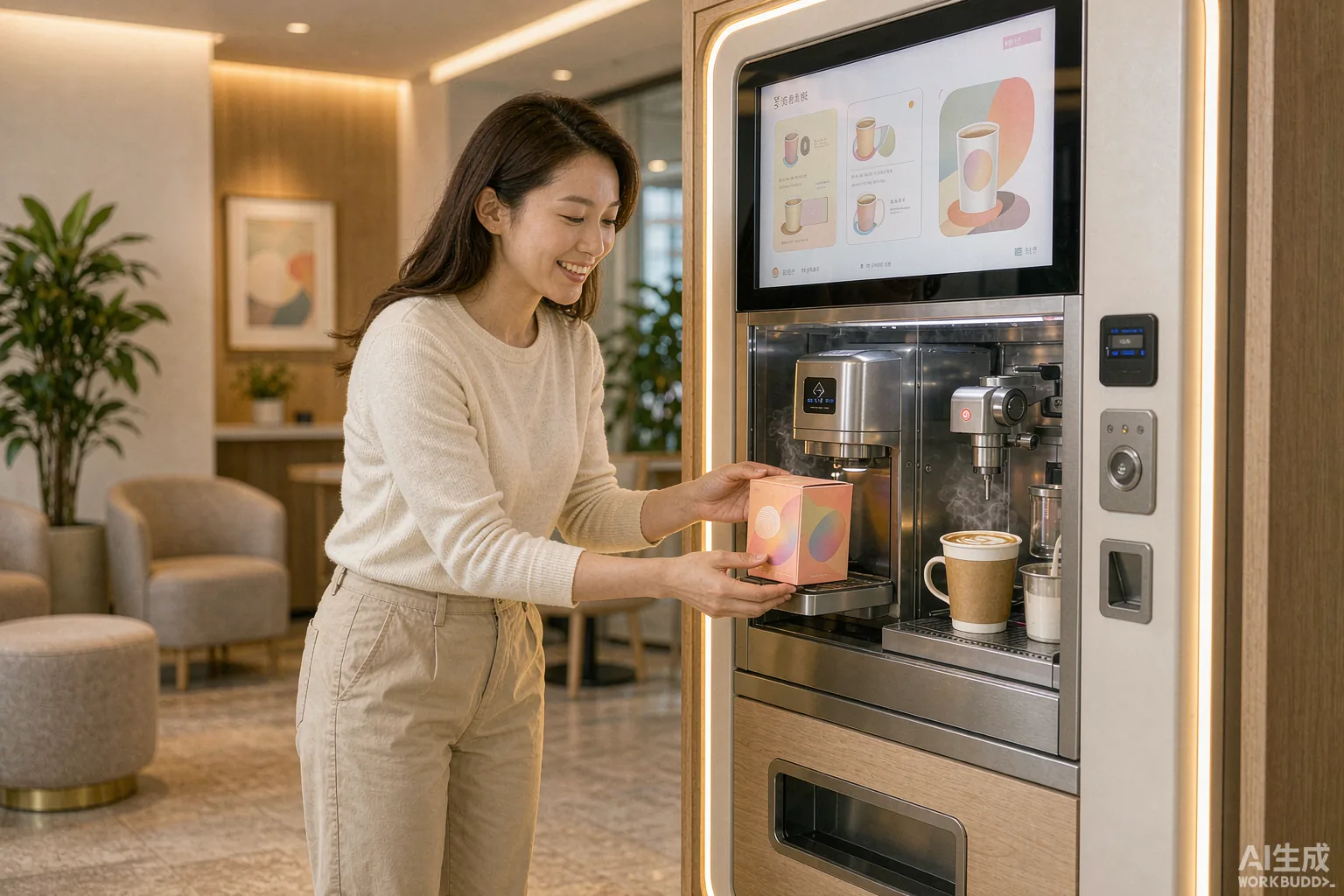
The payment retrofit came first because it was the cheapest and fastest fix. Marcus added contactless readers to all 11 machines. He made tap-to-pay the default on the screen and kept cash accepted as a backup. This was not an upgrade, it was bringing the machines up to the baseline his customers already expected. The effect showed up within the first week. Transactions per day at the college nearly doubled, not because more people came, but because the people who were already there stopped walking away.
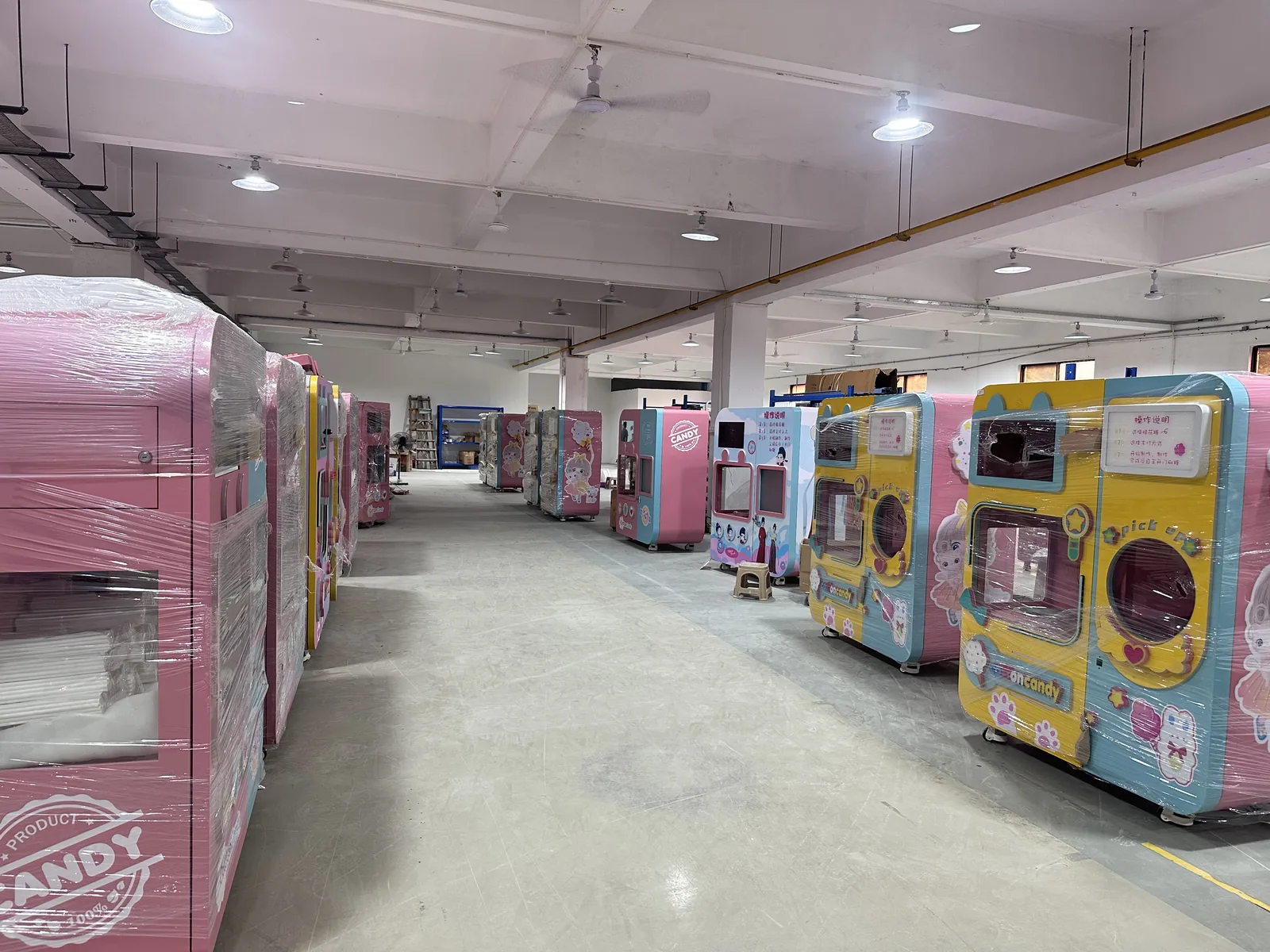
The second change was a single machine swap at the college. That site had the highest traffic and the youngest crowd, and it was the one place a made-to-order machine made obvious sense. He replaced one tired snack machine with a cotton candy vending machine, the kind where customers watch the sugar spin into a fresh serving through the glass. You can see exactly what a machine like that does on our 綿あめ自販機のページ. It turned a passive corner into a small event. Students filmed it. The line itself pulled more people over. That one machine started outselling the snack machine it replaced by a wide margin, because it sold an experience, not just a product.
The third change was the product mix. In the two office buildings, Marcus cut the slow-moving candy bars and added a healthy section with water, nuts, and lower-sugar options. He kept the classic snacks for the laundromat, where the crowd wanted them. Matching the mix to the site instead of running one universal planogram took an afternoon per machine.
90日間の結果
By the end of the quarter the numbers had moved in every direction he hoped. Average revenue per transaction across the route climbed from the cash-only level of $1.57 toward the cashless level of $2.45, and most of the lift came from the college and the hospital. The cotton candy machine became the highest single earner on the route. The office machines sold more healthy items at a higher margin. And the connected readers meant Marcus could see, from his phone, which machines were low and which were full, so he cut two service trips a week entirely.
これには十数台の新しい機械を買うことも、伝説的な高交通量の場所を見つけることも必要なかった。何年も目の前にあったギャップを埋めることだけが必要だった。.
真似する価値のある教訓
キャッシュレスのギャップは、ほとんどのレガシーオペレーターが未回収のままにしている最も安上がりの勝利だ。機械がまだ現金専用なら、修正はコンタクトレスリーダーであり、回収期間は数か月ではなく数週間で測られる。その 全米自動販売機協会 この点を何年も主張してきましたが、今では取引データがそれを裏付けています。.
Match the machine and the mix to the site. A college is not an office, and neither is a laundromat. One made-to-order machine in the right spot can out-earn a row of legacy snack machines, which is exactly the pattern we see across our full 機械ラインナップ. で見られるパターンそのものです。同じものをさらに購入する前に、ぜひご相談ください。.
And stop blaming the location first. Marcus spent six years convinced his spots were weak. The spots were fine. The machines were quietly leaking money at the point of payment, and once that leak was sealed, the rest of the route started to work the way he always assumed it should.
Want to see where your own route is leaking? List your machines, note which still take cash only, and multiply your daily transactions by the $0.88 cashless gap. That single number is often the fastest profit you will find all year.
ルートを構築したり、古いルートを近代化したりするなら、 米国中小企業庁 の小規模事業者向けガイドが、計画とキャッシュフローの基本を始めるのに確実な出発点です。綿菓子からスマホケース、冷凍飲料まで、機械自体に関するご質問は、当社の お問い合わせページ からご連絡ください。推測するのではなく、各設置場所に最適な品揃えを選ぶお手伝いをします。.
Red Rabbitの関連マシン