The winter problem nobody talks about
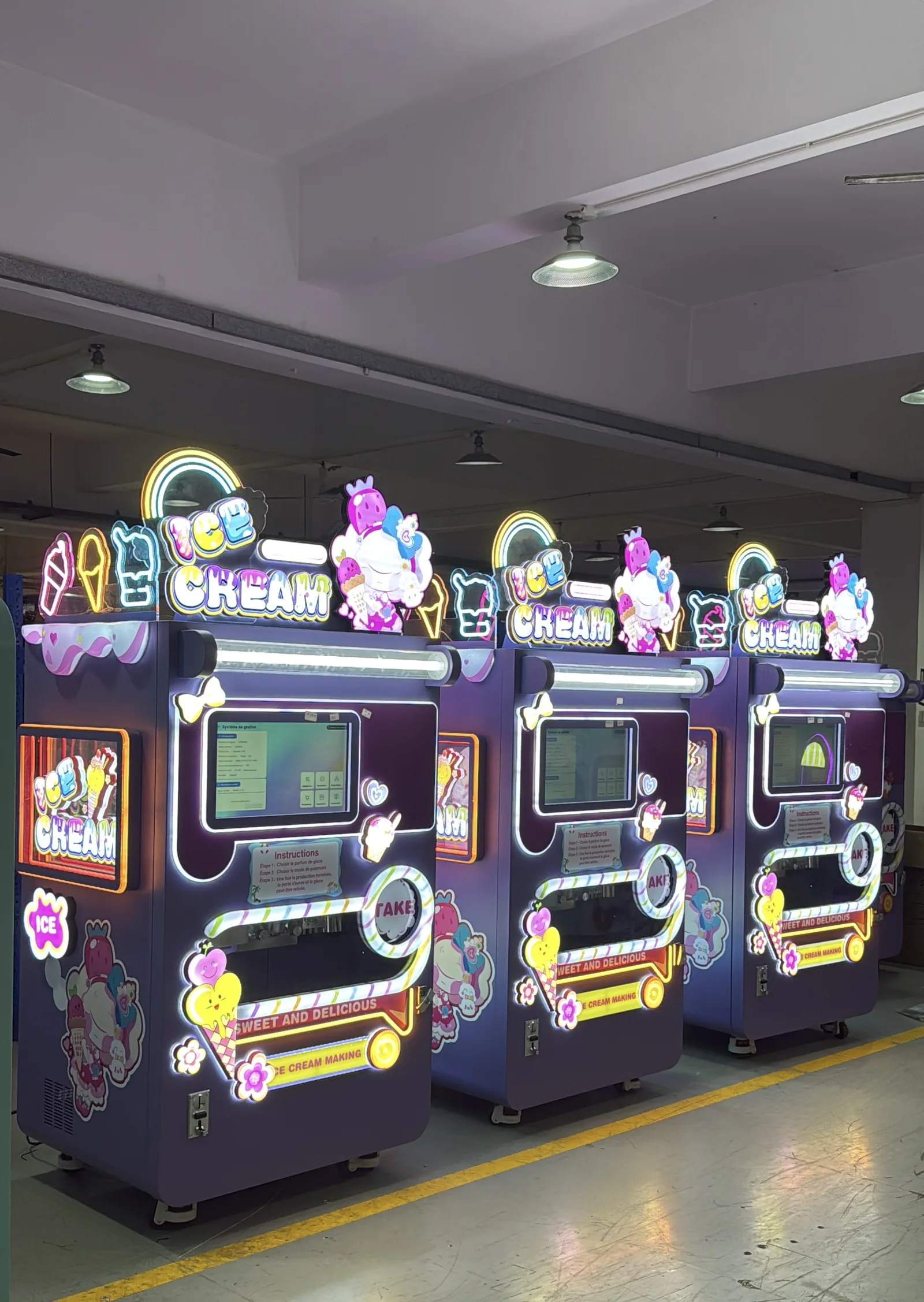
I got a call from an operator in Germany last December. He had placed a Red Rabbit ice cream vending machine at a lakefront park in June. By August it was doing 90 servings a day at $5 each. By November, daily sales had fallen to 15. He asked me if he should just shut the machine down until spring.
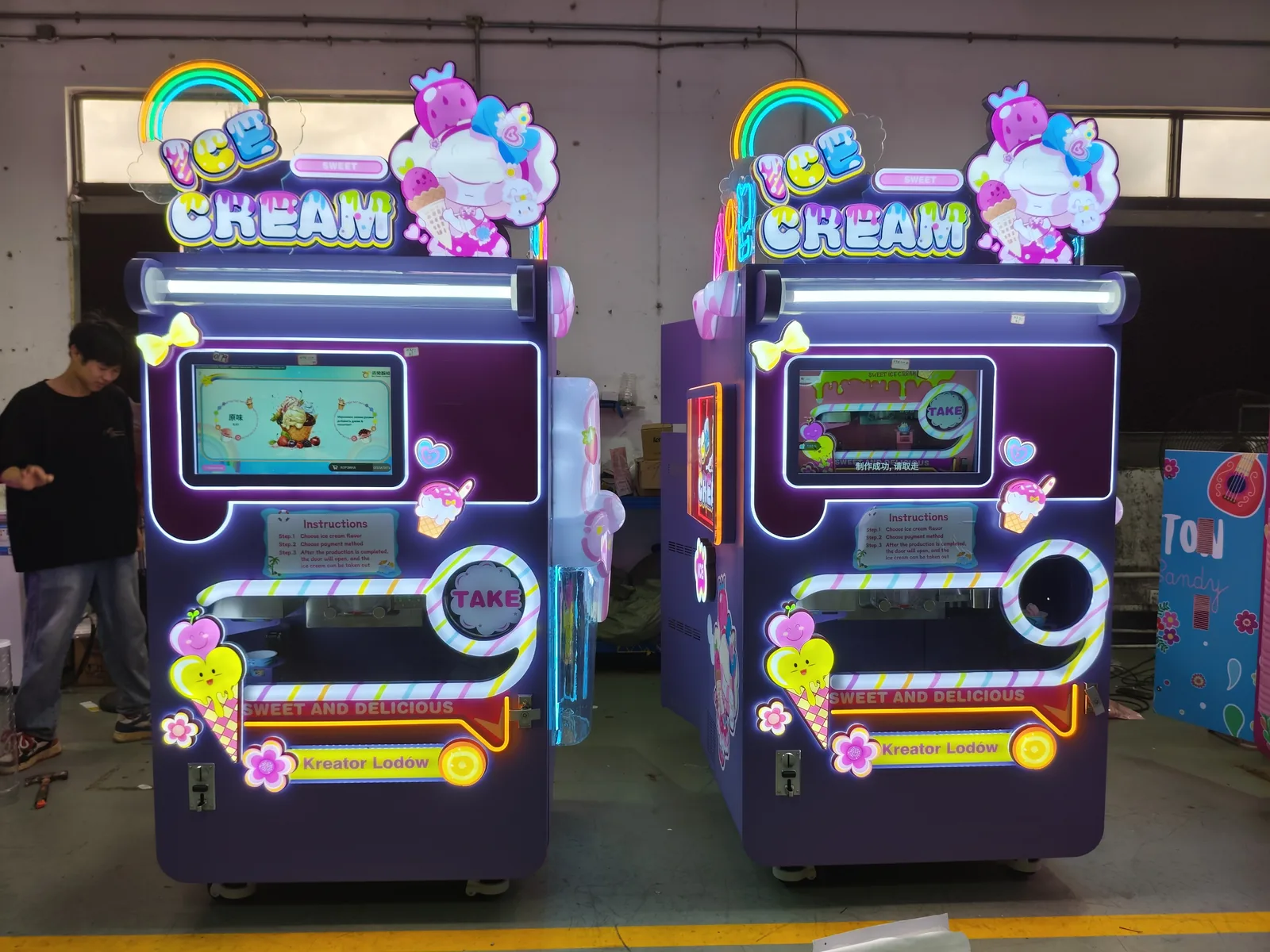
His experience is common. Across the industry, operators report a 40 to 60 percent drop in ice cream sales during winter months. Some see an 80 percent decline in outdoor locations. The instinct is to pause operations, but that means zero revenue while rent and lease obligations continue.
The operators who stay profitable year-round do not pause. They adapt. They change their product strategy, reduce operating costs, and find ways to keep the machine earning even when foot traffic drops. Here is what works based on conversations with operators across Europe, Southeast Asia, and the Middle East.
Flavor rotation for cold months
In summer, light and fruity flavors dominate. Vanilla, strawberry, and mango are the top sellers. When the weather turns cold, those flavors stop moving. Customers still want ice cream, but they want different flavors.
An operator in Seoul told me she rotates 30 percent of her summer lineup for seasonal flavors starting in October. Pumpkin spice, salted caramel, and dark chocolate raspberry replace fruit flavors. The rich, warm-flavored options feel appropriate in cold weather. She told me that while overall volume dropped 50 percent in winter, the customers who did buy spent more per serving because the premium flavors justified a higher price.
| シーズン | Top flavors | Price strategy |
|---|---|---|
| Summer (peak) | Vanilla, mango, strawberry | Standard $5-$6 |
| Autumn (transition) | Salted caramel, chocolate, matcha | Standard $5-$7 |
| Winter (low) | Dark chocolate, mint, eggnog, coffee | Premium $6-$8 |
| Holiday season | Peppermint, gingerbread, limited editions | Premium $7-$9 |
The key insight is that winter customers are not impulse buyers. They are intentional. They came to the machine because they wanted ice cream despite the cold. That means they are willing to pay more for a premium experience. Price up, not down.
Cross-promotion with local businesses
One of the most effective winter strategies I have seen is partnering with nearby businesses. An operator in a Bangkok mall paired her ice cream machine with a bakery two doors down. They ran a combo: a fresh cookie plus a scoop of ice cream for $7. The bakery promoted the combo to its customers, and the ice cream machine got foot traffic it would never have attracted alone.
Another operator in a Tokyo office building launched a monthly flavor subscription. Office workers pre-paid for five servings at a 20 percent discount. The machine guaranteed revenue even on slow days, and the workers treated it as a regular break routine. He told me the subscription covered his rent for the building during January and February, which were his worst months.
The principle is simple. When foot traffic drops, borrow traffic from someone who has it. Coffee shops, bakeries, and convenience stores in the same building or mall already have customers. A combo deal brings them to your machine.
Energy saving without sacrificing quality
Ice cream machines use more power than most vending equipment because they run compressors continuously. In winter, when sales are low, the energy cost can eat into what little margin remains. Several operators shared their strategies for cutting power bills.
Most modern ice cream vending machines, including the Red Rabbit models, have a standby mode. This mode reduces mixing speed and lowers the compressor cycle while maintaining safe storage temperature. Operators who activate standby during off-peak hours, typically 10 p.m. to 10 a.m. on weekdays, report energy savings of 25 to 30 percent.
| Energy tactic | Saving estimate | Trade-off |
|---|---|---|
| Standby mode off-peak hours | 25-30% reduction | First serving takes 2 min longer |
| Move away from direct sunlight | 10-15% reduction | May need layout change |
| UV film on nearby windows | 5-10% reduction | Small upfront cost |
| Reduce topping bar items in winter | Simplifies cleaning | Less variety for customers |
Position matters in winter too. A machine near a heating vent or under direct sunlight works harder to maintain temperature. Moving the machine to a cooler wall or applying UV-blocking film to nearby windows reduces the compressor load. One operator in Spain told me that simply relocating his machine from a sun-exposed wall to a shaded corner cut his electricity bill by 12 percent.
Indoor locations that work in winter
If you operate in a market with harsh winters, indoor placement is the difference between profit and loss. The same machine that earns $14,000 a month at a beach in July can earn $3,000 a month at a cinema lobby in January. That is still profitable if the rent is reasonable.
Good winter locations for ice cream vending include cinemas, indoor shopping malls, family entertainment centers, bowling alleys, and transit hubs with heated waiting areas. These venues maintain foot traffic year-round because they are climate controlled. Parents taking children to an indoor play area on a Saturday in January are just as likely to buy ice cream as parents at a beach in July.
One operator I spoke to in Canada runs his ice cream machine at an indoor water park. The park is heated and humid year-round. His winter sales are only 20 percent below summer because the environment feels like summer regardless of the season outside. Finding a location with an artificial warm environment is a strong winter strategy.
Adding warm products for cold months
Some ice cream vending machines can be configured with a hot beverage module. This allows the same machine to dispense hot chocolate or warm toppings during winter. An operator in China added a hot chocolate option to his machine in November and told me it accounted for 35 percent of winter revenue. The hot chocolate cost about $0.30 per cup to produce and sold for $3.
Not every machine supports this. Check with the manufacturer before purchasing. Red Rabbit machines are built at our Guangzhou Panyu factory with modular options, so operators can specify configurations that match their climate and season. You can view the ice cream vending machine specifications または contact Red Rabbit to discuss winter-ready configurations for your market.
Using the slow season productively
Winter is when smart operators do the work that summer does not leave time for. Service the compressor. Deep-clean the freezing cylinder. Update the software. Test new flavors. Scout new locations for spring expansion. Build relationships with property managers for summer placements.
One operator told me he uses January and February to negotiate revenue-share terms with three new locations for the following summer. By the time warm weather returns, his machines are placed, tested, and ready. His competitors start the season still looking for spots.
Pairing with year-round machines
If you operate in a seasonal market, consider adding a non-seasonal machine to the same location or route. A 綿あめ自動販売機 sells well indoors year-round and attracts the same family audience. A 雪の結晶型アイス自販機 has a different product profile that can maintain interest through cooler months. The combined revenue smooths out the seasonal curve.
The math is straightforward. If your ice cream machine nets $2,000 in winter and a cotton candy machine in the same venue nets $3,000, your location stays profitable. In summer, both machines peak and the location earns well. The combination reduces risk.
Compliance and food safety in cold months
Food safety rules do not change with the season. The FDA食品コード sets baseline requirements for dairy product handling in vending environments. Operators should verify that winter storage temperatures remain within safe ranges, especially if the machine is in an unheated space. The SBAビジネスガイド covers the business registration and tax obligations that apply year-round.
The winter mindset
Winter separates serious operators from hobbyists. Anyone can make money with an ice cream machine at a beach in August. The operators who build sustainable routes are the ones who figure out how to keep machines earning in February. Rotate flavors to premium options. Cut energy costs with standby mode. Partner with local businesses for shared foot traffic. Find indoor or artificially warm venues. Use the slow months to service equipment and plan expansion.
Want to configure an ice cream vending machine for year-round operation? Contact Red Rabbit to discuss winter-ready options, hot beverage modules, and multi-machine routes for your market.