A heat wave does not announce itself. One Friday the temperature climbs, the weekend forecast turns red, and every ice cream machine in town gets busy at once. The operators who sell through it are the ones who checked their equipment two weeks earlier. This is that checklist, written for the operator who would rather do the work now than lose a weekend of sales later.

If you are reading this in the spring, start now. A machine that has sat through winter needs a full check before the first warm day, not on it. Operators who prep in April coast through June. Operators who wait until the first heat wave spend that weekend on the phone with a technician instead of watching the machine sell.
This list is built around the things that actually go wrong in the field, not the things that look good on a brochure. Go through it top to bottom, mark each line done, and you will walk into the busy season without the usual panic.
Cooling and machine health
Start with the compressor and the cold chain, because nothing else matters if the product does not stay frozen. Listen for unusual noise, check that the cabinet reaches and holds the target temperature, and confirm the door seals still pull tight. A torn gasket leaks cold air and makes the compressor work twice as hard. Clean the condenser coils, clear the vents, and make sure the unit is level with air space behind it.
Food safety and product handling
Ice cream is a perishable food, so treat the machine like a kitchen, not a vending box. Keep a temperature log, rotate stock so older product sells first, and label every container with its open date. Keep a handwashing station or sanitizer nearby, and clean all food contact surfaces on a fixed schedule. The rules are spelled out in the FDA Food Code, and most local health permits track the same basics. A single bad review about melted product or a failed inspection will cost more than any prep time.
Inventory and the supplier
Line up more product than you think you need, and confirm your supplier can deliver on short notice when a hot spell runs longer than forecast. Know your best selling flavors and double down on them. Have a backup supplier, or at least a backup plan, because the one thing you cannot sell on a heat wave Saturday is an empty machine.
Payments and connectivity
Most customers today pay by card or phone, and a card reader that drops mid-afternoon is a line of people walking away. Test the reader, check your network connection, and confirm the machine reports sales and inventory the way it should. If your machine takes cashless payments, run a small test transaction end to end before you need it for real.
Location, power, and the queue
Check the power supply with a real load, not just an idle glance. A shared circuit that trips under a heat load will take the machine down at the worst moment. Think about shade and airflow, a machine baking in direct sun works harder and looks less appealing. And plan the queue. If people have to wait, they should wait somewhere they can see the menu, not in a blind spot that blocks the path.
Menu, pricing, and signage
Trim the menu to what sells, price it clearly, and put the most popular item at eye level. A small menu of three or four strong items outsells a long one, because customers decide faster and your stock is easier to manage. Keep a family friendly option and at least one premium option, and price the premium as a small step up rather than a leap. Signage should answer the three questions people actually ask: what is in it, how much is it, and can I pay with my phone.
Staff and the first week
Whoever restocks the machine should know the routine cold: how to fill, how to clean, how to clear a simple jam, and who to call when something bigger goes wrong. The first hot weekend is the wrong time to train someone. Run the whole routine once, from empty to stocked to a test sale, before the season starts.
The pre-season checklist at a glance
| Area | What to check | Done |
|---|---|---|
| Cooling | Compressor sound, target temperature, door seals, coils, vents | |
| Food safety | Temperature log, stock rotation, open dates, surface cleaning | |
| Inventory | Best sellers stocked, supplier on short notice, backup plan | |
| Payments | Card reader, network, cashless test transaction | |
| Power and site | Load test, shade, airflow, queue flow | |
| Menu | Top items visible, clear pricing, signage | |
| Staff | Fill, clean, clear jams, know who to call |
A few things operators forget
Three items get skipped more than any others. A surge protector sits at the top of that list, because a brownout kills compressors before anything else goes wrong. Then there is the emergency contact, a laminated card inside the machine with the supplier and a technician number on it. And there is the backup plan for a sold out day, because running out during a heat wave is a revenue leak you can watch happen in real time. Cover those three and you have closed the gaps that catch most operators.
An empty ice cream machine in a heat wave is the easiest money you will ever hand to the operator next door.
None of this is complicated. It is the difference between a machine that runs all summer and one that limps through it. If you are still choosing a machine or comparing models, start with the ice cream vending machine page, and if you want a hand sorting out what your location actually needs, the contact page will put you in front of a real person.
For the bigger picture on running a business, from permits to pricing, the SBA business guide is a solid place to start, and it pairs well with the machine specific work above. Do the checklist now. The heat will not wait.
Related machines from Red Rabbit
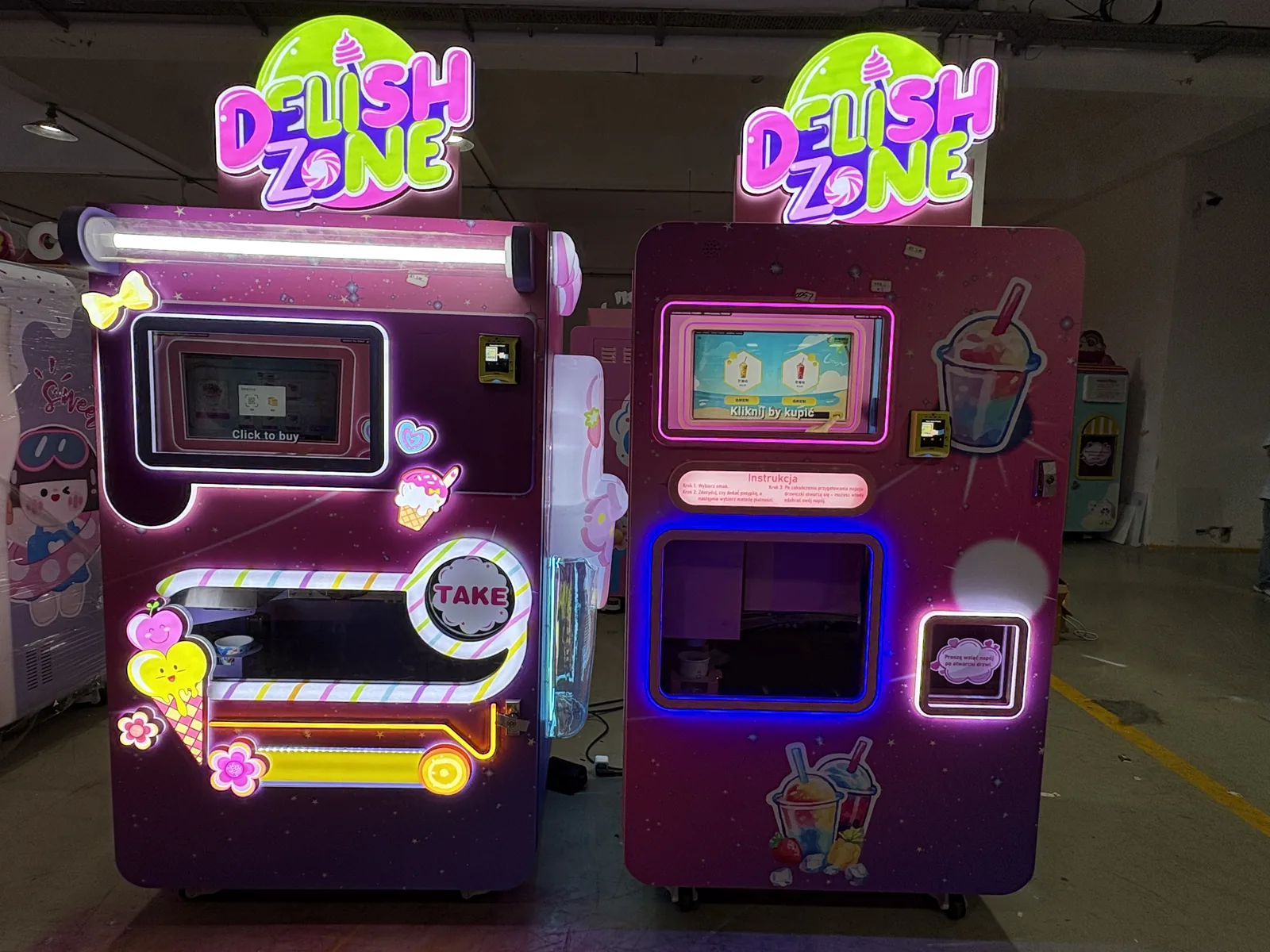
Red Rabbit vending machine | Red Rabbit vending machine | Red Rabbit vending machine