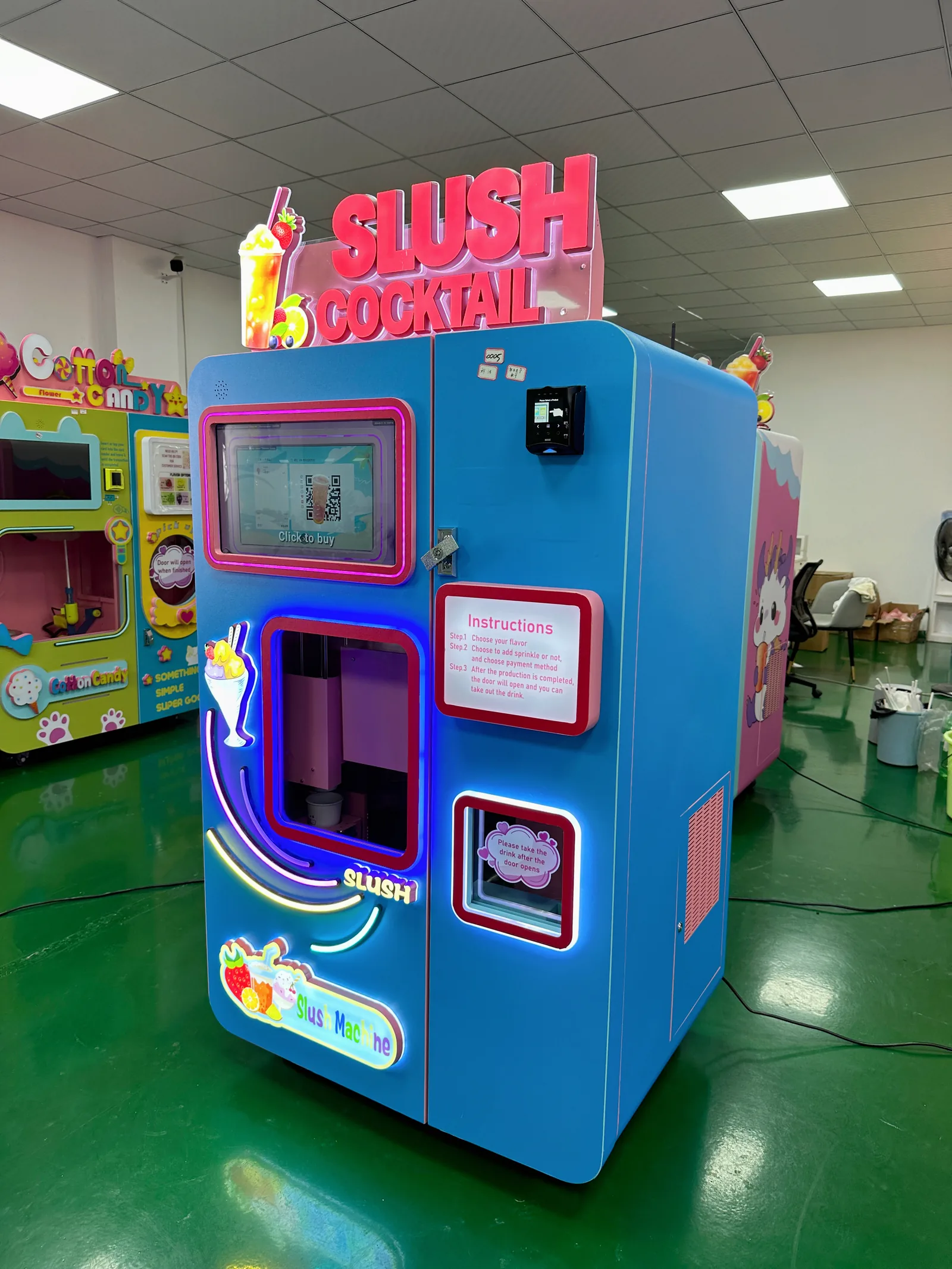
Most people who ask about slush vending machines want a single number first, how fast the machine pays for itself. I get the instinct. But the operators who last in this business rarely start with that question. They start with foot traffic, flavor counts, and the daily rhythm of refilling a hopper. If this is your first machine, here is the honest path from zero to your first full week of real sales.
Step 1: Know what you are actually selling
A slush machine sells a cold drink, not a machine. The drink itself is cheap to make. A cup of syrup, water, and ice costs a few cents at most. The product is not your problem. Your problem is getting enough people to walk past the machine every single day. That is why the first real decision is not which machine to buy. It is where the machine will live.
Slush is an impulse buy. Almost nobody plans a trip just to get a slush. They see it on a hot day, they are already out, and a bright cup of frozen color looks good. That means location does more of the selling than any marketing you can do. Choose a spot with steady foot traffic and a reason for people to pause, a queue, a waiting area, a walkway, a school gate, a cinema lobby.
Step 2: Pick your location before you buy anything
Walk the area yourself. Count people, not just at noon but at the hours the machine will actually run. Note who is passing. Families with kids, teenagers after school, commuters, tourists. Slush sells best where it is warm and where people have a few spare dollars and a minute to drink something.
Strong slush locations include cinemas, arcades, sports venues, water parks, trampoline parks, schools, malls, and tourist streets. Weaker locations are offices with no kids, quiet suburban corners, and anywhere the foot traffic dies after five in the afternoon. A great machine in a dead spot still earns almost nothing, while a modest machine in the right spot runs all day.
Step 3: Choose a machine built for the job
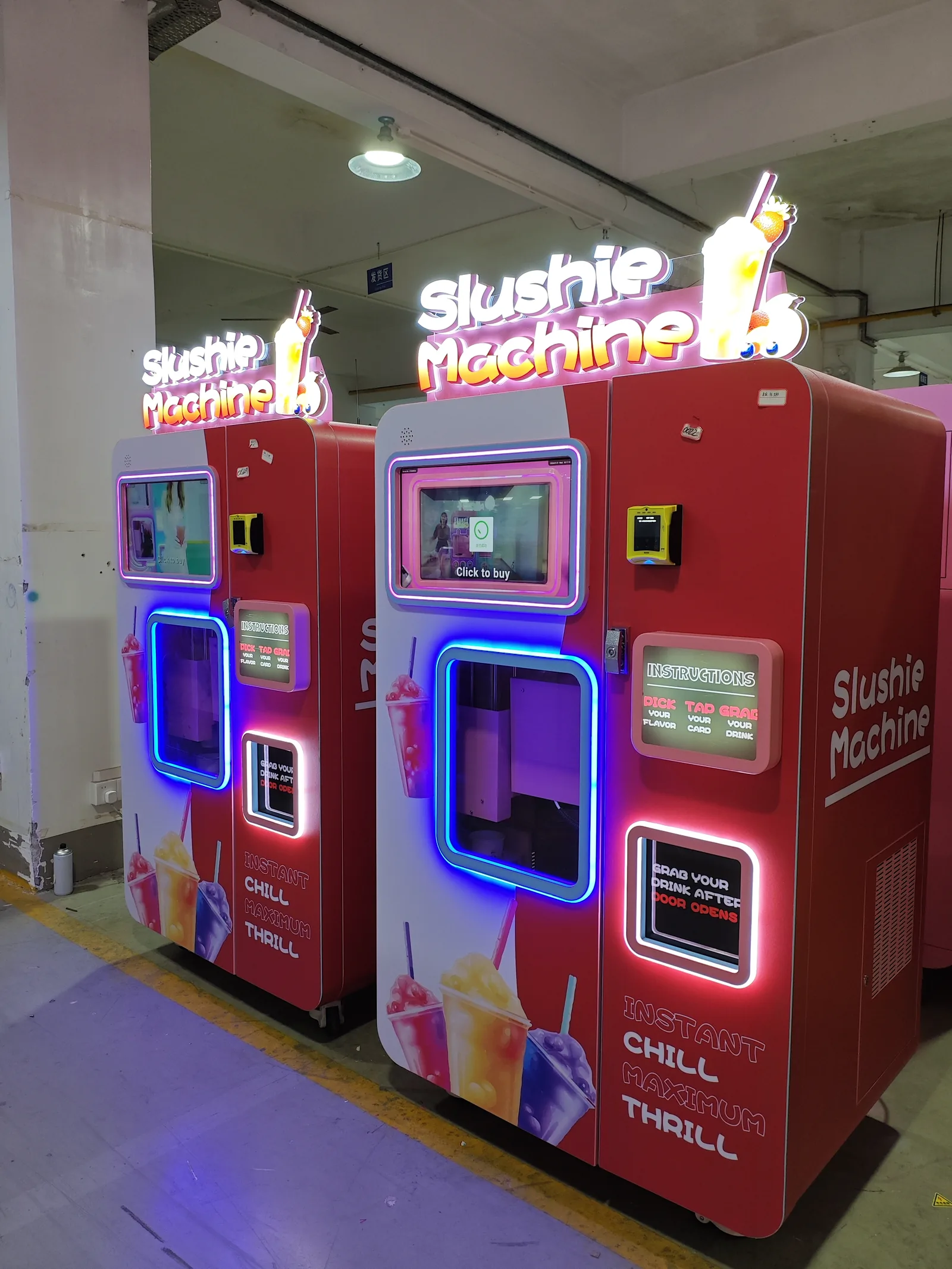
When you compare machines, look past the sticker price. You want reliable cooling that holds a consistent texture, because warm slush turns into sweet water and kills the product. You want a design that is easy to wash, because you will be cleaning it every single day, and a machine that fights you will make you skip it. You want simple cup size controls and a hopper that is quick to refill mid-shift.
Red Rabbit’s CT-XN410 is built around these basics. It holds the texture steady through a full hot day, the parts come apart for a quick clean, and the controls are simple enough that a part-time staffer can run it without a manual. Reliability matters more than extra features, because a machine that breaks on a Saturday afternoon costs you an entire weekend of sales you cannot get back.
Step 4: Sort out permits and food safety first
Slush is a food product, which means you answer to the local health authority, not just the landlord. Check what permits your city or county requires for a beverage vending operation. Many areas expect a food service or vending license, a handwashing setup nearby, and a clean water supply. The Kode Pangan FDA is the reference most inspectors work from, and it covers cold holding, utensil cleaning, and water safety. Read the sections that apply to your setup before you sign anything.
On the business side, register the operation properly and understand your tax obligations. The Panduan Bisnis SBA walks through choosing a structure, registering, and getting your paperwork in order. Skipping this step to save a week will cost you far more later.
Step 5: Lock in your supplies and menu
Keep the menu small at first. Three or four flavors is enough, a couple of classics and one that stands out. Blue raspberry, cherry, and a rotating third flavor is a solid starting lineup. Too many flavors means more syrup to stock, more hoppers to clean, and more cups wasted at the end of the day.
Buy syrup, cups, and straws in bulk, and set a reorder schedule so you never run out on a Friday. Track which flavor sells so you can drop the slow one and try something new. The menu is a living thing, not a fixed list.
Step 6: Set a price that feels easy
Price for the impulse buyer. The cup should feel like a small treat, not a decision. Watch what nearby drinks sell for and sit close to that, because a customer who has to think about the price is a customer who walks past. You do not need to be the cheapest. You need to be a clear, fast yes on a hot day.
Step 7: Run your first week like an experiment
Treat the first seven days as data collection, not profit. Record cups sold per day, peak hours, which flavors moved, how much syrup you used, and how much went to waste. Check the machine twice a day for the first week so you catch texture issues early, before a customer does.
At the end of the week, sit down with the numbers. Which hours made money? Which flavor should go? Is the machine in the best spot, or would moving it ten feet toward the entrance help? These small adjustments are where first-time operators actually make their money, not in the first week itself.
Three mistakes that trip up beginners
The first is buying the biggest machine before proving the location. Start simple, prove demand, then scale. The second is ignoring cleaning. A dirty machine is a health violation and a product that tastes off, and customers remember both. The third is treating slush as a summer-only product. It peaks in warm weather, but indoor locations with steady traffic keep selling all year. Adjust your location and flavors rather than parking the machine for six months.
New to this? The team behind Red Rabbit’s slush machines will walk you through model selection, setup, and first-week planning. If a dessert-style option fits your spot better, the mesin es berbentuk kepingan salju is worth a look, or just menghubungi and describe your location.
Related machines from Red Rabbit
Mesin penjual otomatis Red Rabbit | Mesin penjual otomatis Red Rabbit | Mesin penjual otomatis Red Rabbit